
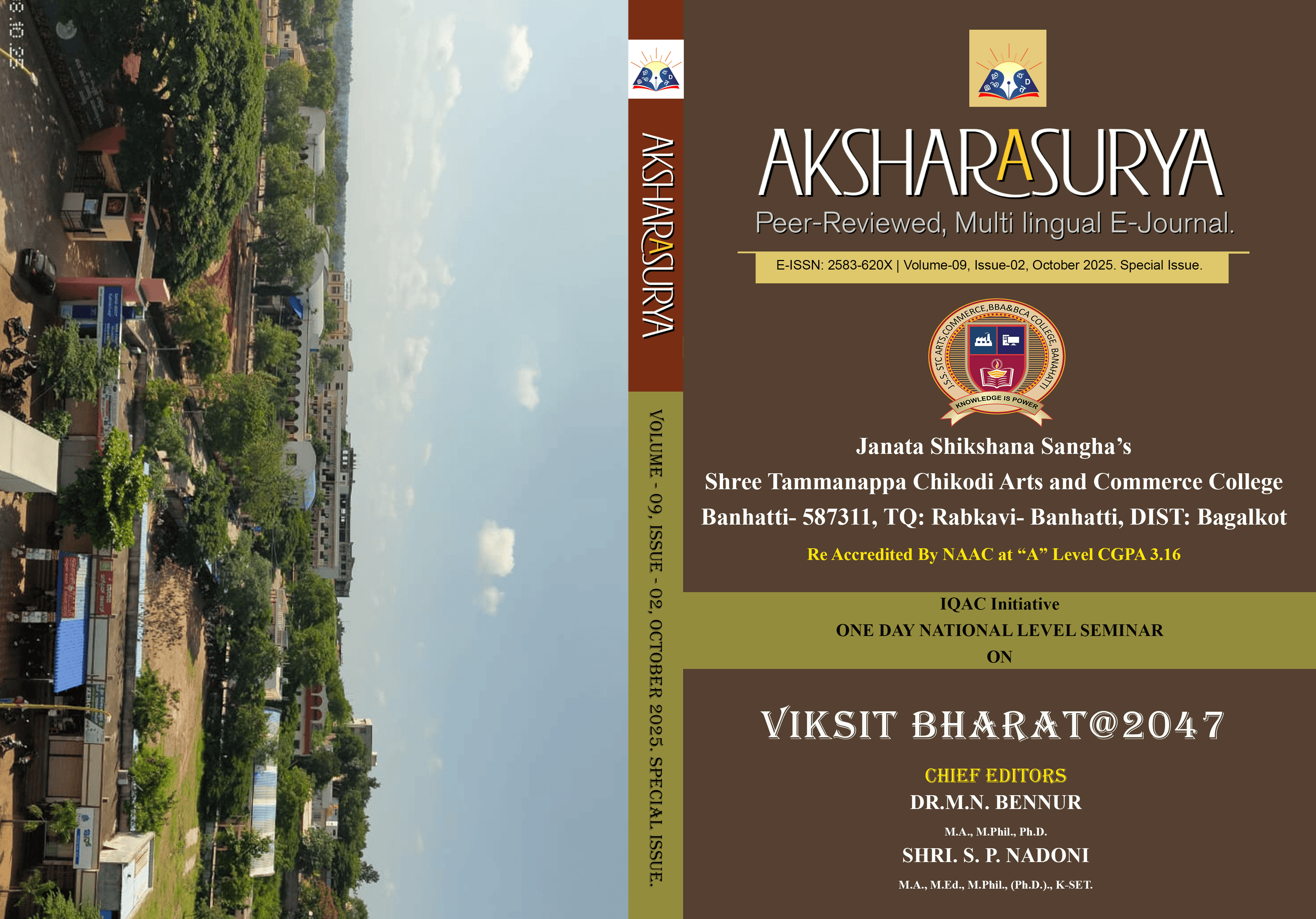
Published: 2025-10-25
Table of Contents
Research Articles
Water Architecture of the Adil Shahis of Bijapur in the Raichur Region
01 to 05
The Adil Shahis of Bijapur, who ruled the Deccan region from 1489 to 1686 CE, not only engaged in political and military contests with the Vijayanagar Empire but also undertook remarkable developmental projects in the territories they controlled.During the reigns of Ibrahim Adil Shah I, Muhammad Adil Shah, Ibrahim Adil Shah II, and Ali Adil Shah II, special emphasis was placed on water architecture in the Raichur region. Recognizing the vital role of agriculture and irrigation in consolidating their power, they designed extensive water management systems, including tanks, wells, and canals, to ensure the prosperity of their lands.
The Raichur region, in particular, became a showcase of their expertise in water engineering. Iconic structures such as the Balahisar Well, Shankar Baioli Well, Diddi Bagilu Well, the Joda Well Complex, Alal Kor Well, Gorkal Tank, Aralihalli Tank, Siddarampur Tank, and many others stand as enduring symbols of their vision. These projects not only facilitated agriculture and livestock management but also reflect the artistic and functional brilliance of Adil Shahi water architecture.
Viksit Bharat 2047: Pathways to a Developed, Inclusive and Sustainable India
06 to 11
The vision of Viksit Bharat 2047—a developed India by the centenary of independence represents a multidimensional transformation of the nation’s social, economic, political, and cultural structures. It seeks to position India as a global leader rooted in its civilizational ethos and equipped with modern technology, inclusive growth, and sustainability. This paper analyses the conceptual foundations, historical trajectories, and policy frameworks that underpin this vision. It explores India’s journey from colonial exploitation to post-independence reconstruction and contemporary reforms. The discussion includes the role of education, governance, technology, and environmental sustainability as catalysts for holistic development. Using an analytical lens grounded in policy analysis and historical interpretation, the study identifies opportunities and challenges in realizing the Viksit Bharat 2047 goal. The paper concludes that achieving this vision requires an integrated approach combining traditional knowledge systems, digital transformation, equitable growth, and global cooperation.
Disciples of Dr. Babasaheb Ambedkar in Karnataka special Reference to Bijapur District
12 to 17
This article explores the influence of Dr. Babasaheb Ambedkar’s philosophy and movement on the Bombay-Karnataka region, with a specific focus on the Bijapur District (now Vijayapura). It highlights the rise of Ambedkar from the Mahar community to become the chief architect of the Indian Constitution and a Messiah for the oppressed. The study outlines a biographical sketch of Ambedkar and identifies key followers in the broader Karnataka region, such as Shri Shankarananda Shastri and Datta Katti. The core of the work details dedicated disciples in Bijapur, including Goura Guruji, a primary teacher and first Dalit poet who spread Ambedkar’s philosophy through literature and meetings, and Allappa Avadi. A significant section recounts Dr. Ambedkar’s visit to Bijapur on May 31, 1937, for the Zilla Harijan Parishad and his successful legal defense of Soman Gowda, illustrating his commitment to social justice. His visit inspired the overall development and upliftment of Dalits in the area.
ವಿಕಸಿತ ಭಾರತಕ್ಕಾಗಿ ಸಾಮಾಜಿಕ ನ್ಯಾಯ ಮತ್ತು ಸಮಾನತೆ ಪರಿಕಲ್ಪನೆ ಮತ್ತು ಡಾ. ಬಿ. ಆರ್. ಅಂಬೇಡ್ಕರ್
18 to 22
ಭಾರತದ ಸಂವಿಧಾನದ ಶಿಲ್ಪಿ “ಬಾಬಾಸಾಹೇಬ್” ಎಂದು ಜನಪ್ರಿಯವಾಗಿ ಕರೆಯಲ್ಪಡುವ ಭೀಮ್ ರಾವ್ ರಾಮ್ಜಿ ಅಂಬೇಡ್ಕರ್ ಅವರು ಶಿಕ್ಷಣತಜ್ಞ, ನ್ಯಾಯಶಾಸ್ತ್ರಜ್ಞ, ಸಮಾಜ ಸುಧಾರಕ, ಅರ್ಥಶಾಸ್ತ್ರಜ್ಞ ಮತ್ತು ಭಾರತೀಯ ಸಾಮಾಜಿಕ ರಚನೆಯನ್ನು ಸುಧಾರಿಸಲು ಪಟ್ಟುಬಿಡದೆ ಹೋರಾಡಿದ ಭಾರತದ ಶ್ರೇಷ್ಠ ರಾಜಕೀಯ ನಾಯಕರು. ಅವರು ರಾಷ್ಟ್ರಕ್ಕೆ ಸೇವೆ ಸಲ್ಲಿಸಲು ಸಿದ್ಧರಾಗಿರುವ ದೂರದೃಷ್ಟಿಯ ವ್ಯಕ್ತಿಯಾಗಿದ್ದರು. ತಮ್ಮ ರಾಜಕೀಯ ಜೀವನದುದ್ದಕ್ಕೂ, ಅವರು ಸಮಾಜದ ಕಲ್ಯಾಣಕ್ಕಾಗಿ ವಿಶೇಷವಾಗಿ ಮಹಿಳೆಯರು, ಮತ್ತು ದೀನದಲಿತ, ಕಾರ್ಮಿಕರ ವರ್ಗಕ್ಕಾಗಿ ಕೆಲಸ ಮಾಡಿದರು. ಸಾಮಾಜಿಕ ಅಸಮಾನತೆ, ಅಸ್ಪೃಶ್ಯತೆ ಮತ್ತು ದಲಿತರ ಶೋಷಣೆ ನಿವಾರಣೆಗಾಗಿ ಹೋರಾಡಿದ ಅಗ್ರಗಣ್ಯ ಮಹಾನ್ ಭಾರತೀಯ ನಾಯಕರು. ಅಂಬೇಡ್ಕರ್ ಅವರು ಏಪ್ರಿಲ್ 14, 1891 ರಂದು ಮಹಾರಾಷ್ಟ್ರದ ರತ್ನಗಿರಿ ಜಿಲ್ಲೆಯ ಅಂಬಾವಾಡೆ ಗ್ರಾಮದಲ್ಲಿ ಜನಿಸಿದರು. ಅವರು ಮಹೋವ್ನಲ್ಲಿ ಮೇಜರ್ ಸುಬೇದಾರ್ ಶ್ರೇಣಿಯ ಮಿಲಿಟರಿ ಅಧಿಕಾರಿ ಶ್ರೀ ರಾಮ್ಜಿ ಮಾಲೋಜಿ ಸಕ್ಪಾಲ್ ಮತ್ತು ಭೀಮಾಬಾಯಿ ಸಕ್ಪಾಲ್ ಅವರ ಪುತ್ರರಾಗಿದ್ದರು. ಅಂಬೇಡ್ಕರ್ ಅವರು ಅಸ್ಪೃಶ್ಯರೆಂದು ಪರಿಗಣಿಸಲ್ಪಟ್ಟ ಮಹಾರ್ (ದಲಿತ) ಸಮುದಾಯದಲ್ಲಿ ಹುಟ್ಟಿ ಬೆಳೆದರು. ಸವರ್ಣೀಯರ ಶೋಷಣೆ ಮತ್ತು ಕೋಪ-ತಾಪಗಳ ಮಧ್ಯೆ ಬಾಲ್ಯ ಜೀವನ ಕಳೆದರು. 1897 ರಲ್ಲಿ ಅಂಬೇಡ್ಕರ್ ಅವರ ಕುಟುಂಬ ಮುಂಬೈಗೆ ಸ್ಥಳಾಂತರಗೊಂಡಿತು. ನಂತರ ಸತಾರಾದಲ್ಲಿ ಹೈಸ್ಕೂಲ್ ಮುಗಿಸಿ 1908 ರಲ್ಲಿ ಮೆಟ್ರಿಕ್ಯುಲೇಷನ್ ಪಾಸ್ ಮಾಡಿದರು. ಬಾಂಬೆಯ ಎಲ್ಫಿನ್ಸ್ಟೋನ್ ಕಾಲೇಜಿನಲ್ಲಿ 1912 ರಲ್ಲಿ ಬಿ. ಎ. ಪದವಿ ಪಡೆದರು. ‘ಪ್ರಾಚೀನ ಭಾರತದಲ್ಲಿ ವಾಣಿಜ್ಯ ವ್ಯವಹಾರ’ ಹಾಗೂ ‘ಬ್ರಿಟಿಷ್ ಆಡಳಿತದಲ್ಲಿ ಭಾರತದ ಹಣಕಾಸಿನ ವ್ಯವಸ್ಥೆಯ ವಿಕಾಸ’ ಎಂಬ ಪ್ರಬಂಧಗಳಿಗೆ ಅಮೆರಿಕಾದ ಕೊಲಂಬಿಯಾ ವಿಶ್ವವಿದ್ಯಾಲಯ ಎಂ. ಎ. ಮತ್ತು ಪಿಎಚ್. ಡಿ. ಪದವಿ ನೀಡಿತು.
ಲಂಡನ್ ಸ್ಕೂಲ್ ಆಫ್ ಎಕನಾಮಿಕ್ಸ್ನಲ್ಲಿ ಅರ್ಥಶಾಸ್ತ್ರವನ್ನು ಅಧ್ಯಯನ ಮಾಡುವ ಮೂಲಕ ಲಂಡನ್ ವಿಶ್ವವಿದ್ಯಾಲಯದಿಂದ ಎಂ. ಎಸ್ಸಿ. ಮತ್ತು ಡಿ. ಎಸ್ಸಿ. ಪದವಿಗಳನ್ನು ಪಡೆದರು. ಲಂಡನ್ ಗ್ರೇಸ್ ಇನ್ ಲಾ ಕಾಲೇಜಿನಲ್ಲಿ ಕಾನೂನು ಅಧ್ಯಯನ ಮಾಡಿ ‘ಬಾರ್ ಅಟ್ ಲಾ’ ಪಡೆದರು. ಬಾಂಬೆಯ ಕಾಮರ್ಸ್ ಮತ್ತು ಕಾನೂನು ಕಾಲೇಜಿನಲ್ಲಿ ಅರ್ಥಶಾಸ್ತ್ರ, ಕಾನೂನು, ಪ್ರಾಧ್ಯಾಪಕರಾಗಿ, ಪ್ರಿನ್ಸಿಪಾಲರಾಗಿ ಸೇವೆ ಸಲ್ಲಿಸಿದರು.
ಡಾ. ಬಿ. ಆರ್. ಅಂಬೇಡ್ಕರವರ ದೃಷ್ಟಿಕೋನದಲ್ಲಿ ಮಹಿಳಾ ಸಬಲೀಕರಣ
23 to 27
ಮಹಿಳಾ ಸಬಲೀಕರಣ ಎನ್ನುವುದು ಮಹಿಳೆಯರನ್ನು ಹಳೆಯ ಸಮಾಜದಿಂದ ಹೊರಗಡೆ ತಂದು ಮಹಿಳೆಯರಿಗೆ ಸ್ವಾತಂತ್ರ್ಯ, ಸಮಾನತೆ, ಗೌರವ ನೀಡುವುದು. ಸಬಲೀಕರಣವು ಡಾ. ಬಿ. ಆರ್. ಅಂಬೇಡ್ಕರವರ ದೃಷ್ಟಿಯಲ್ಲಿ ಒಂದು ಮಹತ್ವವಾದ ಹೆಜ್ಜೆಯನ್ನು ಹಾಕುವುದು ಆಗಿತ್ತು. ಮಹಿಳೆಯರಿಗಾಗಿ ಸಂವಿಧಾನದ ಮೂಲಭೂತ ಹಕ್ಕುಗಳ ಮೂಲಕ ಹಲವಾರು ಹಕ್ಕುಗಳನ್ನು ಜಾರಿಗೆ ತಂದರು. ಅಲ್ಲದೆ ಮಹಿಳೆಯರಿಗೆ ವಿಶೇಷವಾದ ಆಸ್ತಿ ಹಕ್ಕು (ಹಿಂದೂ ಕೋಡ್ ಬಿಲ್) ಜಾರಿಗೆ ತಂದಿದ್ದರು. ಪ್ರಾಚೀನ ಕಾಲದಲ್ಲಿ ಮಹಿಳೆಯರ ಮೇಲೆ ಎಸಗುವ ಕೃತ್ಯಗಳಿಗೆ ಕಡಿವಾಣ ಹಾಕಿ ಕಾನೂನು ಕ್ರಮಗಳನ್ನು ಅನುಸರಿಸಿ ಮಹಿಳೆಯರಿಗೆ ಶಿಕ್ಷಣ, ಸಂಘಟನೆ, ಹೋರಾಟ ತತ್ವದ ಮಾರ್ಗವನ್ನು ಅಳವಡಿಸಿಕೊಳ್ಳುವಂತೆ ಕರೆ ನೀಡಿದರು. ಡಾ. ಬಿ. ಆರ್. ಅಂಬೇಡ್ಕರ್ ಅವರು ಸಮಾಜದಲ್ಲಿ ಸಮಾನತೆ, ನ್ಯಾಯ ಮತ್ತು ಹಕ್ಕುಗಳ ಪರಿಪೂರ್ಣ ರಕ್ಷಕರೆಂದು ಪರಿಗಣಿಸಲ್ಪಟ್ಟ ವ್ಯಕ್ತಿ. ಅವರ ದೃಷ್ಟಿಕೋನದಲ್ಲಿ ಮಹಿಳಾ ಸಬಲೀಕರಣ ಕೇವಲ ಮಹಿಳೆಯರ ಅಭಿವೃದ್ಧಿಯೇ ಅಲ್ಲ, ಅದು ಸಮಾಜದ ಒಟ್ಟಾರೆ ಪ್ರಗತಿಯ ಪ್ರಮುಖ ಅಂಶವಾಗಿದೆ. ಅಂಬೇಡ್ಕರ್ ಅವರ ಶಿಕ್ಷಣ, ಹಕ್ಕು ಮತ್ತು ಶಕ್ತಿ ಕುರಿತ ನಿಟ್ಟಿನ ಪ್ರತಿಪಾದನೆಗಳು, ಮಹಿಳೆಯರಿಗೆ ಆರ್ಥಿಕ, ಸಾಮಾಜಿಕ, ರಾಜಕೀಯ ಹಾಗೂ ಶೈಕ್ಷಣಿಕ ಸ್ವಾತಂತ್ರ್ಯ ನೀಡುವತ್ತ ಗಮನ ಹರಿಸುತ್ತವೆ.
ಮಹಾಸತಿಗಲ್ಲುಗಳು
28 to 34
ಸತಿ ಎಂದರೆ ಮೂಲತಃ ತನ್ನ ಗಂಡನ ಮರಣದ ನಂತರ ತನ್ನನ್ನು ತಾನೇ ಅಗ್ನಿಗಾಹುತಿ ಮಾಡಿಕೊಂಡ ಮಹಿಳೆ ಎಂದರ್ಥ. ಈ ಪದವು “ಅಸ್ತಿ” ಎಂಬ ಸಂಸ್ಕೃತ ಪದದಿಂದ ಬಂದಿದೆ. ಇದರರ್ಥ ಅವಳು ಶುದ್ಧ ಅಥವಾ ಸತ್ಯ. ಮಾಸ್ತಿ ಎಂಬುದು ಮಹಾಸತಿಯ ತದ್ಭವ. ಗಂಡ ಸತ್ತಾಗ ಅವನೊಡನೆ ಚಿತೆ ಏರುತ್ತಿದ್ದವಳು ಸತಿಯಾಗುತ್ತಿದ್ದಳು. ಅವಳನ್ನೇ “ಮಹಾಸತಿ” ಎಂದು ಕರೆದರು. ಈ ಮಹಾಸತಿಯು ಜನರ ಬಾಯಲ್ಲಿ “ಮಾಸ್ತಿ” ಯಾಗಿದೆ. ಹಿಂದೆ ಪತ್ನಿಯ ಆದರ್ಶವಾಗಿತ್ತು. ಸತಿಯಾಗುವುದರಲ್ಲಿ ಎರಡು ವಿಧ:
i. ಗಂಡನ ಕಳೇಬರದೊಡನೆ ಚಿತೆಯೇರುವುದು ‘ಸಹಗಮನ’. ಗಂಡ ಸತ್ತಾಗ ಸಹಗಮನ ಮಾಡುವುದು.
ii. ಗಂಡ ಎಲ್ಲೋ ಸತ್ತ ಸುದ್ದಿಯನ್ನು ಕೇಳಿ ಚಿತೆಯನ್ನು ನಿರ್ಮಿಸಿ ಅದನ್ನು ಏರುವುದು ‘ಅನುಗಮನ’.
ಮೊದಲನೆಯದರಲ್ಲಿ ಗಂಡನ ಜೊತೆಗೆ ಹೋಗುತ್ತಿದ್ದಾಳೆ ಎಂಬ ಅರ್ಥ ಬಂದರೆ, ಎರಡನೆಯದರಲ್ಲಿ ಗಂಡನನ್ನು ಹಿಂಬಾಲಿಸುತ್ತಿದ್ದಾಳೆ ಎಂಬ ಅರ್ಥ ಬರುತ್ತದೆ. ಹೀಗೆ ಸತಿ ಆದವರ ನೆನಪಿಗಾಗಿ ನಿಲ್ಲಿಸಿದ ಕಲ್ಲುಗಳೇ ಮಾಸ್ತಿಗಲ್ಲುಗಳು. ಮಾಸ್ತಿಗಲ್ಲುಗಳನ್ನು ಸಹಾನುಭೂತಿ ಕಲ್ಲು, ಮದವಳಿಗೆ ಕಲ್ಲು, ತೋಳ್ಕೈಗಲ್ಲು, ವ್ಯಾಸನ ತೋಳು ಮುಂತಾದ ಹೆಸರುಗಳಿಂದ ಕರೆಯುತ್ತಾರೆ.
ಸಾಮಾಜಿಕ ಸಮಾನತೆಯಲ್ಲಿ ಬಸವೇಶ್ವರರ ಚಿಂತನೆ
35 to 41
ಜನಸಾಮಾನ್ಯರ ಆಡು ಮಾತಿನಲ್ಲಿ ರಚಿಸಿದ ವಚನಗಳ ಮೂಲಕ ಸಾಮಾಜಿಕ ಬದಲಾವಣೆಯ ಕಹಳೆ ಮೊಳಗಿಸಿದ ಬಸವಣ್ಣ ಬಾಲ್ಯದಿಂದಲೇ ಅವರ ಚಿಂತನಶೀಲತೆ, ಗೊಡ್ಡು ಸಂಪ್ರದಾಯಗಳನ್ನು ಪ್ರಶ್ನಿಸುವ ಮತ್ತು ಪ್ರತಿಭಟಿಸುವ ಸ್ವಭಾವ ಎದ್ದು ಕಾಣುತ್ತಿತ್ತು. ಉದಾಹರಣೆಗೆ 8ನೇ ವಯಸ್ಸಿನಲ್ಲಿ ಹೆತ್ತವರು ಉಪನಯನ ಮಾಡಲು ಮುಂದಾದಾಗ ಬಸವಣ್ಣ ಅದನ್ನು ನಿರಾಕರಿಸಿದರು. ಅಷ್ಟೇ ಅಲ್ಲ, ಕುಟುಂಬವನ್ನೇ ತೊರೆದು ಕೂಡಲಸಂಗಮಕ್ಕೆ ನಡೆದರು. ಅಲ್ಲಿ ಜಾತವೇದ ಮುನಿಗಳ ಶಿಷ್ಯರಾಗಿ ವೇದ ಮತ್ತು ಉಪನಿಷತ್ತುಗಳ ಅಧ್ಯಯನದಲ್ಲಿ ತೊಡಗಿದರು. ಸಮತೋಲನಕ್ಕಾಗಿ ಹೋರಾಡಿದ ನೇತಾರ, ಕಲುಷಿತಗೊಂಡಿದ್ದ ಸಾಮಾಜಿಕ ಮತ್ತು ಧಾರ್ಮಿಕ ವ್ಯವಸ್ಥೆಯನ್ನು ಧಿಕ್ಕರಿಸಿ ಗುಣಾತ್ಮಕ ಬದಲಾವಣೆಯನ್ನು ಆರಿಸಿ ಹೊರಟ ದಾರ್ಶನಿಕರಾಗಿದ್ದಾರೆ. ಸಾಮಾಜಿಕ ಕ್ರಾಂತಿಯ ಹರಿಕಾರರೆನಿಸಿ, ತಮ್ಮದೇ ನೆಲೆಯಿಂದ ಯುಗಮಾನದ ಶಕ್ತಿಯಾಗಿ, ವಿಶ್ವಗುರು, ಭಕ್ತಿ ಭಂಡಾರಿ, ನಡೆದಾಡುವ ದೈವ, ಜಗಜ್ಯೋತಿಯಾಗಿ ನಿಂತಿರುವ ಸಾಂಸ್ಕೃತಿಕ ನಾಯಕರೆಂದರೆ ಬಸವಣ್ಣನವರು.
ಅಥಣಿ ಪ್ರದೇಶದ ಸ್ಮಾರಕಗಳು
42 to 47
ಅಥಣಿ ಪ್ರದೇಶದಲ್ಲಿ ಸ್ಮಾರಕಗಳು ಹೆಚ್ಚಿನ ಸಂಖ್ಯೆಯಲ್ಲಿರುವುದನ್ನು ಕಾಣಬಹುದು. ಹೆಚ್ಚಾಗಿ ಕಲ್ಯಾಣ ಚಾಲುಕ್ಯರ ಕಾಲಕ್ಕೆ ಸಂಬಂಧಿಸಿದ ದೇವಾಲಯಗಳನ್ನು ಕಾಣುತ್ತೇವೆ. ಈ ಪ್ರದೇಶವು ಕಲಚೂರಿಗಳು, ಯಾದವರು (ಸೇವುಣರು), ಶಿಲಹಾರ ಮನೆತನಗಳ ರಾಜರು ಆಳುವ ಮೂಲಕ ಸ್ಮಾರಕಗಳ ದೃಷ್ಟಿಯಿಂದ ಶ್ರೀಮಂತಗೊಳಿಸಿದ್ದಾರೆ. ದೇವಾಲಯಗಳು ಏಕಕೂಟ ಹಾಗೂ ತ್ರಿಕೂಟ ಮಾದರಿಯವು ಹೆಚ್ಚಾಗಿ ಕಾಣುತ್ತವೆ. ಸತ್ತಿಯ ಬದರಿನಾರಾಯಣ ದೇವಾಲಯ, ಸವದಿಯ ಗೋಪಾಲಕೃಷ್ಣ ದೇವಾಲಯ, ಕೊಕಟನೂರ ಕಲ್ಮೇಶ್ವರ ದೇವಾಲಯ, ತೇಲಸಂಗದ ಕಲ್ಮೇಶ್ವರ ದೇವಾಲಯ, ನಂದಗಾಂವ ಬಸವಣ್ಣ ದೇವಾಲಯ, ಅಥಣಿಯ ಅಮೃತ ಲಿಂಗೇಶ್ವರ ದೇವಾಲಯ, ಸಿದ್ದೇಶ್ವರ ದೇವಾಲಯ, ಬಳ್ಳಿಗೇರಿಯ ಬಸವಣ್ಣ ದೇವಾಲಯಗಳನ್ನು ಕಾಣುತ್ತೇವೆ.
Heritage Conservation and Tourism in India: Case Study in Hampi
48 to 55
Cultural heritage, encompassing monuments, traditions, languages, and arts, plays a critical role in shaping societies and their identities. Tourism, an ever-expanding global industry, can both support and endanger cultural heritage. This paper explores the relationship between cultural heritage preservation and tourism, examining how tourism impacts heritage sites, both positively and negatively. Through analysis of case studies, this paper proposes strategies for balancing tourism growth with heritage conservation, ensuring that cultural sites remain preserved for future generations while continuing to contribute economically through tourism. Cultural heritage, both tangible and intangible, provides a sense of identity and continuity for communities. It includes not only physical monuments, buildings, and artifacts but also practices, languages, and art forms passed down through generations. However, rapid globalization, urbanization, and the rise of mass tourism have placed many heritage sites at risk. As the tourism industry grows, the tension between preserving cultural heritage and promoting it as a tourist attraction intensifies. This paper seeks to explore the dual nature of the relationship between tourism and cultural heritage. On the one hand, tourism provides a platform for the promotion and preservation of cultural sites. On the other hand, it often leads to the degradation of these very sites. This study analyses these contrasting outcomes, using examples of both successful and detrimental interactions between tourism and cultural heritage. The paper also examines ways in which sustainable tourism practices can mitigate these issues.
Conservation and Preservation of Hanagal Region Temples
56 to 62
The heritage town of Hanagal, known for its magnificent temples, ancient monuments, and spiritual legacy, stands as a silent witness to the artistic brilliance of the Chalukyan era. The conservation and preservation of Hanagal’s architectural heritage are vital to protect its cultural identity and historical significance. This study highlights the need for sustainable measures to safeguard the temples, sculptures, and inscriptions that narrate the region’s glorious past. Through scientific restoration, community participation, and government initiatives, Hanagal can be transformed into a model of heritage conservation. Preserving Hanagal’s treasures is not merely about protecting stones and structures, it is about reviving the spirit of history, culture, and devotion for future generations.
Sustainable Solutions for Ancient Monuments: Integrating Traditional Craftsmanship with Modern Technology By 2047
63 to 67
Sustainable solutions for ancient monuments by 2047 involve integrating traditional craftsmanship with modern technology to ensure their preservation and cultural continuity, a core component of India’s Viksit Bharat Vision 2047. This approach uses non-invasive digital tools like LiDAR and Augmented Reality for documentation and restoration, alongside modern scientific methods. It supports traditional artisanal skills and livelihood opportunities through initiatives like the Pradhan Mantri Vishwakarma Scheme, and incorporates passive cooling techniques and local materials into conservation, creating sustainable development while respecting ancient wisdom. It is thesustainable conservation of ancient monuments by 2047 is a component of the Viksit Bharat Vision 2047 strategy, focusing on preservation, visitor engagement, digital platforms for heritage outreach, and operational efficiency for cultural institutions. Key elements include developing digital repositories, leveraging VR/AR for recreation, promoting sustainable materials, and using technology to analyze materials and support local artisans, ensuring a blend of ancient wisdom and futuristic innovation for India’s cultural heritage.
Historical Ports and Saraiʼs in Adil Shahis of Bijapur Kingdom (Special reference to Bijapur City)
68 to 73
The current study research is an attempt on my side to highlight the significance of Sarais, who were part of the Adil Shahi Kingdom and made substantial contributions to the Deccan during the medieval period. To Sarais: Travelers would pause at a Sarai, a halting station or roadside inn with a centuries-old history, at the end of a day’s journey. It’s possible that many of them will be found along key transportation routes across the nation. Sarais were used not only by the common public but also by army soldiers traveling. This kind of vehicle was referred to as a Sarai or caravanserai. These buildings were common throughout the Islamic world, but especially in Mughal India.
Preserving the Sufi Legacy: A case Study on the need of Conservation of Dargahs in Bijapur City
74 to 80
Bijapur, a city steeped in history and architectural splendor, is home to numerous dargahs that embody the rich Sufi heritage of India. These shrines, dedicated to revered Sufi saints, serve as vibrant cultural hubs that foster community cohesion and promote interfaith dialogue. However, the preservation of this legacy faces significant challenges, including urbanization, neglect, and environmental degradation. As Bijapur continues to evolve, the need for effective conservation strategies becomes increasingly critical.This study aims to highlight the importance of preserving Sufi heritage in Bijapur, focusing on the conservation of its dargahs. Through a comprehensive analysis of the historical, cultural, and social dimensions of these sites, this research underscores the significance of safeguarding this unique heritage for future generations. The study identifies the challenges facing these sites, including urbanization, neglect, and environmental degradation, and proposes effective conservation strategies to address these issues. By examining the role of dargahs in promoting community cohesion and interfaith dialogue, this research emphasizes the need for a collaborative approach to conservation. The study concludes that preserving Sufi heritage in Bijapur requires a multifaceted approach that balances development with conservation, engages local communities, and promotes cultural exchange. Ultimately, this research provides valuable insights into the preservation of Sufi legacy in Bijapur, contributing to the broader discourse on cultural heritage conservation in India.
A Roadmap for Monument Conservation Policy for Viksit Bharat@2047
81 to 85
India has a long history and a rich heritage. Our monuments show the culture, art and knowledge of many centuries. They are symbols of our national pride. But many monuments are in danger because of pollution, climate change, lack of care and pressure of development. The present laws and policies are not always enough to protect them.This paper studies the policy gaps in monument conservation. It looks at national and state level schemes and their results. It also compares global practices with Indian methods. The aim is to create a clear roadmap for monument conservation till 2047, when India completes 100 years of independence.The paper suggests a three-level strategy. First, strong laws and regular monitoring. Second, use of technology like digital mapping, 3D scanning and remote sensing. Third, active community participation with focus on youth and local custodians. It also stresses on sustainable finance, training of skilled workers and climate resilience.By 2047, India must ensure that all major monuments are preserved, documented and accessible in a responsible way. A national policy roadmap can balance development with heritage protection. It will make heritage a living part of Viksit Bharat.
Temple Architecture of South India-Dravidian Style
86 to 90
The Dravidian style of temple architecture in South India represents one of the finest achievements of Indian art, culture, and spirituality. Evolving under the Pallavas, Cholas, Pandyas, and Vijayanagara rulers, these temples embody grandeur through lofty gopurams, majestic vimanas, finely carved mandapas, and intricate sculptures that narrate mythological and cultural stories. Beyond their architectural brilliance, Dravidian temples served as centers of education, music, dance, literature, and community life, becoming the heart of social and religious activities. They remain timeless symbols of devotion, creativity, and heritage, standing as monumental bridges between history, faith, and artistic excellence.
Preserving History Scientifically: Chemical Methods in Monumental Conservation
91 to 96
In recent years, the preservation of cultural heritage has emerged as a global priority, as historical artifacts and monuments face constant threats of deterioration. Safeguarding these treasures requires effective solutions that can strengthen and maintain their natural appearance while preventing further damage. This study explores innovative approaches by introducing novel products with biocidal properties, specifically designed to counteract microbial activity. It also presents an updated overview of the most advanced nanomaterials currently employed in the restoration and protection of cultural heritage, AndThe use of traditional biocidal products in cultural heritage preservation has declined in recent years, largely due to their potential risks to both human health and the environment. As a result, researchers have increasingly focused on developing and testing innovative, eco-friendly alternatives that can effectively protect heritage assets while ensuring safety and sustainability.
Savitribai Phule Contribution towards Women Social Reformer in India: The Major Education and Social Issues
97 to 102
Savitribai was born on January 3, 1831, in Naigaon (presently in Satara district) in British India in a farming family to Khandoji Neveshe Patil and Lakshmi as their eldest daughter. Girls in those days were married off early, so following the prevalent customs, the nine year old Savitribai was wedded to 12 years old Jyotirao Phule in 1840. Jyotirao went on to become a thinker, writer, social activist and anti-caste social reformer. He is counted among the leading figures of Maharashtra’s social reform movement. Savitribai’s education started after her marriage. It was her husband who taught her to read and write after he saw her eagerness to learn and educate herself. She cleared third and fourth year examination from a normal school and became passionate about teaching. She took training at Ms Farar’s Institution in Ahmednagar. Jyotirao stood firmly by the side of Savitribai in all her social endeavors. Savitribai Jyotirao Phule was a prominent Indian social reformer, educationist and poet who played an instrumental role in women education and empowerment during the nineteenth century. Those who are concerned with the happiness and welfare of this country should definitely pay attention to the condition of women and make every effort to impart knowledge to them if they want the country to progress. With this thought, I started the school for girls first. But my caste brethren did not like that I was educating girls and my own father threw us out of the house. Counted among few literate women of those times, Savitribai is credited for founding the first girl’s school in Pune in Bhide Wada with her husband Jyotirao Phule. She took great effort towards educating and emancipating child widows, campaigned against child marriage and sati pratha, and advocated for widow remarriage. A leading figure of Maharashtra’s social reform movement, she is considered an icon of Dalit Mang caste along with likes of B.R. Ambedkar and Annabhau Sathe. She campaigned against untouchability and worked actively in abolishing caste and genderbased discrimination.
Tangible Heritage, Intangible Culture: Preservation of Monuments and Cultural Continuity in India
103 to 109
India’s rich civilizational legacy is embodied in its tangible heritage—monuments, temples, forts, and architectural marvels—and its intangible cultural expressions such as rituals, oral traditions, performing arts, and traditional knowledge systems. This paper explores the dynamic interplay between these two dimensions of heritage, emphasizing how the preservation of physical monuments contributes to the continuity of cultural identity and collective memory. It critically examines the challenges posed by urbanization, tourism, and climate change to heritage conservation, while highlighting policy frameworks, community participation, and technological innovations that support sustainable preservation. Through case studies of iconic sites like Hampi, Varanasi, and Sanchi, the research illustrates how safeguarding tangible heritage can reinforce intangible cultural practices, ensuring that India’s pluralistic traditions remain vibrant and relevant in the modern era. The paper advocates for an integrated approach to heritage management that bridges the material and immaterial, fostering resilience and cultural continuity across generations.
The Role of Sports in National Identity and Unity
110 to 115
Sports have long been recognized as a crucial social and cultural phenomenon that transcends entertainment and recreation. They play an integral role in shaping national identity, unifying diverse populations, and projecting the image of a nation on the global stage. From the Olympic Games in ancient Greece to modern-day FIFA World Cups, sports have carried symbolic meanings that extend beyond the playing field. This paper critically examines how sports contribute to the construction and reinforcement of national identity and unity, with reference to social identity theory, symbolic interactionism, and historical as well as contemporary examples. It also explores challenges such as racism, gender inequality, and commercialization, which threaten the unifying potential of sports. By synthesizing theoretical perspectives, historical evidence, and modern case studies, this study highlights the significance of sports in nation-building and diplomacy, while acknowledging the limitations and controversies inherent in its use as a tool for national cohesion.
India’s Sports Transformation for Viksit Bharat@2047
116 to 122
India’s vision of becoming a developed nation by 2047, referred to as Viksit Bharat @ 2047, necessitates a comprehensive transformation across multiple sectors, including education, technology, economy, and healthcare. Among these, sports represent a unique and powerful domain that connects physical health, cultural identity, youth engagement, and global prestige. This paper examines India’s current sports ecosystem and outlines a roadmap for transformation into a globally competitive sports power by 2047. Drawing from comparative international models, government initiatives, and socio-economic analysis, the paper identifies seven key pillars of transformation: grassroots development, infrastructure and sports science, sports economy and industry, Olympic and global excellence, inclusivity and empowerment, digital sports innovation, and fitness culture. The study argues that by mainstreaming sports as both an economic driver and a cultural necessity, India can achieve not only sporting excellence but also broader national development goals. Projecting a future where sports contribute 5–6% of India’s GDP, create millions of jobs, and position India among the top five sporting nations, this paper establishes sports as an integral pillar of Viksit Bharat @ 2047.
Sports Transformation and Government Key Initiatives for “Viksit Bharat @ 2047”
123 to 128
This paper highlight how the Viksit Bharat @ 2047 vision uses sports transformation to build a development Indi by focusing on grassroots talent development, infrastructure and scientific support though intimately like Khelo India and the National Sports Governance Act ultimately fostering national pride and a healthy, skilled population by 2047. The main objectives of this paper to know the vision of Viksit Bharat @ 2047 and the sports transformation and Government Initiatives for Viksit Bharat @ 2047. The study is based on purely from secondary data source. Secondary data have been collected from various sources like Various Reports, Research journal, Text books, Websites ect.
ಅಲ್ಲಮನ ವಚನಗಳಲ್ಲಿ ಮನಃಶಾಸ್ತ್ರ
129 to 132
೧೨ನೆಯ ಶತಮಾನ ವಚನ ಸಾಹಿತ್ಯದ ಪರ್ವ. ಇಂತಹದೊಂದು ವಚನ ಪರ್ವ ಮಂದಿರಕ್ಕೆ ಕಳಶವಾದವನು ಅಲ್ಲಮನೆಂದರೆ ತಪ್ಪಾಗಲಾರದು. ಅಲ್ಲಮ ಎಂದರೆ ಮನಸ್ಸು ಎಂಬುದು ಔಚಿತ್ಯವಾಗಿದೆ. ಏಕೆಂದರೆ ಅಲ್ಲಮ ಅಷ್ಟು ಸುಲಭವಾಗಿ ಎಲ್ಲರ ಕೈಗೆ ಸಿಗುವನಲ್ಲ. ಆತನ ಪ್ರತಿಯೊಂದು ವಚನವು ಕೂಡ ಮನಃಶಾಸ್ತ್ರದ ಹಿನ್ನೆಲೆಯಲ್ಲಿರುವುದು ಪ್ರಸ್ತುತ ಲೇಖನದ ತಿರುಳಾಗಿದೆ.
ಸಮಗ್ರ ಸಂಶೋಧಕ: ಎಂ.ಎಂ. ಕಲಬುರ್ಗಿ
133 to 141
ಧರಣಿಯ ಮೇಲೊಂದು ಹಿರಿದಪ್ಪ ಅಂಗಡಿಯನಿಕ್ಕಿ
ಹರದ ಕುಳ್ಳಿರ್ದ ನಮ್ಮ ಮಹಾದೇವಸೆಟ್ಟಿ.
ಒಮ್ಮನವಾದಡೆ ಒಡನೆ ನುಡಿವನು
ಇಮ್ಮನವಾದಡೆ ನುಡಿಯನು.
ಕಾಣಿಯ ಸೋಲ, ಅರ್ಧಗಾಣಿಯ ಗೆಲ್ಲ
ಜಾಣ ನೋಡವ್ವಾ ನಮ್ಮ ಕೂಡಲಸಂಗಮದೇವ.
ಎಂಬ ಬಸವವಾಣಿಯಂತೆ ನಿಷ್ಠುರ ಸಂಶೋಧನೆಯ ಅಂಗಡಿಯನ್ನಿಟ್ಟುಕೊಂಡು, ಏಕನಿಷ್ಠೆ, ಸತ್ಯ ಪ್ರತಿಪಾದನೆಗಳಿಗೆ ತಕ್ಷಣ ಕರಗಿ, ಅದಕ್ಕೆ ವಿರುದ್ಧವಾದುದಕ್ಕೆ ‘ಕ್ಷತ್ರಿಯನು ಮುರಿದಾನೆ ಹೊರತು ಮಣಿಯುವುದಿಲ್ಲ’ವೆಂಬ ದೃಢತೆಯನ್ನು ಸಾರಿದ ಎಂ.ಎಂ. ಕಲಬುರ್ಗಿಯವರು ಕನ್ನಡ ಸಂಶೋಧನ ಕ್ಷೇತ್ರದ ಅಪರೂಪದ ಸಾಧಕರು; ಸಮಗ್ರ ಸಂಶೋಧಕರು. ಸೃಜನಶೀಲ ಕ್ಷೇತ್ರದಲ್ಲಿ ಬಹುಮುಖತೆಯು ಸಾಮಾನ್ಯವಾಗಿರುತ್ತದೆ. ಆದರೆ ಒಂದು ಶಾಸ್ತ್ರ ಕ್ಷೇತ್ರದಲ್ಲಿ ಪರಿಣಿತಿ ಕಷ್ಟಸಾಧ್ಯ. ಅಂತಹುದರಲ್ಲಿ ಕಲಬುರ್ಗಿಯವರು ಶಿವನಂತೆ ಅಷ್ಟಮೂರ್ತಿಗಳು. ಶಾಸನ, ಛಂದಸ್ಸು, ಹಸ್ತಪ್ರತಿ ಮತ್ತು ಗ್ರಂಥ ಸಂಪಾದನೆ, ಭಾಷೆ, ಜನಪದ ಸಾಹಿತ್ಯ, ಶಿಷ್ಟ ಸಾಹಿತ್ಯ, ಕನ್ನಡ ಸಂಸ್ಕೃತಿ ಮತ್ತು ಸಂಶೋಧನೆ ಎಂಬ ಎಂಟು ಕ್ಷೇತ್ರಗಳಲ್ಲಿ ಸಂಶೋಧನೆ. ಸಾಲದೆಂಬಂತೆ ನಾಟಕ, ಕವನ ಸಂಕಲನಗಳನ್ನೂ ರಚಿಸಿದ್ದಾರೆ. ಅವರ ಈ ಅಷ್ಟಮುಖಿ ಸಾಧನೆಗಳನ್ನು ಪರಾಮರ್ಶನಕ್ಕೆ ಒಳಪಡಿಸುವುದು ಈ ಲೇಖನದ ತಿರುಳಾಗಿದೆ.
ಕನ್ನಡಕ್ಕಾಗಿ ಬಾಳಿದ ಚಳುವಳಿಗಾರ: ತಮ್ಮಣ್ಣಪ್ಪ ಚಿಕ್ಕೋಡಿಯವರು
142 to 145
ತಮ್ಮಣ್ಣಪ್ಪನಂತವರು ಕನ್ನಡ ಕೆಲಸಕ್ಕಾಗಿ ಟಂಕ ಕಟ್ಟಿ ನಿಲ್ಲದೆ ಇದ್ದರೆ ಉತ್ತರ ಕರ್ನಾಟಕ ಸಂಪೂರ್ಣ ಮರಾಠಿಮಯವಾಗುತ್ತಿತ್ತು, ಅದರಲ್ಲೂ ಜಮಖಂಡಿ, ಮುಧೋಳ್, ಸಾಂಗ್ಲಿ ಸಂಸ್ಥಾನಗಳಲ್ಲಿ ಕನ್ನಡದ ಅಸ್ತಿತ್ವವೇ ಇಲ್ಲದಂತಾಗುತ್ತಿತ್ತು. ಉತ್ತರ ಕರ್ನಾಟಕದಲ್ಲಿ ಮರಾಠಿ ದಬ್ಬಾಳಿಕೆಯನ್ನು ಕಂಡು ತಮ್ಮಣ್ಣಪ್ಪನವರು ತತ್ತರಿಸಿ ಹೋದರು. ಕನ್ನಡದ ದುಃಸ್ಥಿತಿಯನ್ನು ಕಂಡು ಅದರ ಉಳಿವಿಗಾಗಿ ಟಂಕ ಕಟ್ಟಿ ನಿಂತರು. ಕೇವಲ ಮುಲ್ಕಿ ಪರೀಕ್ಷೆಯನ್ನು ಪಾಸು ಮಾಡಿದ್ದರು. ತಮ್ಮಣ್ಣಪ್ಪನವರು ಬಹಳ ಬುದ್ಧಿವಂತರು, ಜ್ಞಾನದಾಹಿಗಳು, ಸಮಾಜೋಭಿವೃದ್ಧಿಗಾಗಿ ಹಂಬಲಿಸಿದವರು. ಕನ್ನಡ ನಾಡು ನುಡಿ ಸಂಸ್ಕೃತಿಯ ಏಳಿಗೆಗಾಗಿ ನಾಡಿನ ಹಲವಾರು ಗಣ್ಯರೊಡನೆ ಕೂಡಿ ಸಂಘ ಸಂಸ್ಥೆಗಳನ್ನು ಹುಟ್ಟುಹಾಕಿದರಲ್ಲದೆ ಸಕ್ರಿಯವಾಗಿ ಪಾಲ್ಗೊಂಡು ಹತ್ತು ಹಲವಾರು ಯೋಜನೆಗಳನ್ನು ಹಾಕಿಕೊಂಡು ಅವುಗಳನ್ನು ಕಾರ್ಯರೂಪಕ್ಕೆ ತರಲು ಇಡೀ ತಮ್ಮ ಬದುಕನ್ನು ಸವಿಸಿದವರು. ಗಡಿನಾಡಿನ ಕನ್ನಡದ ಹುಲಿ ಎಂದು ಕೀರ್ತಿ ಗಳಿಸಿದರು.
ಕನ್ನಡ ಸಾಹಿತ್ಯಕ್ಕೆ ವಚನಕಾರರ ಕೊಡುಗೆ
146 to 150
ಕರ್ನಾಟಕದಲ್ಲಿ ಬಳಸಲಾಗುವ ಕನ್ನಡ ಭಾಷೆಯು ದೇಶದ ಪ್ರಮುಖ ಭಾಷೆಗಳಲ್ಲಿ ಒಂದಾಗಿದ್ದು ಭಾರತೀಯ ಮತ್ತು ಜಾಗತಿಕ ಸಂಸ್ಕೃತಿಗೆ ಸಾಹಿತ್ಯ, ಆಡಳಿತ, ವೈವಿಧ್ಯಮಯ ಅಭಿವ್ಯಕ್ತಿಯ ಮೂಲಕ ತನ್ನದೇ ಆದ ಕೊಡುಗೆ ನೀಡಿದೆ. ಸಾಹಿತ್ಯ, ಸಂಸ್ಕೃತಿ ಮತ್ತು ಕಲೆಯ ಮೂಲಕ ತನ್ನದೇ ಆದ ವಿಶಿಷ್ಟ ಸ್ಥಾನವನ್ನು ಪಡೆದಿದೆ. ಆಡಳಿತ ಮತ್ತು ಸಾರ್ವಜನಿಕ ಜೀವನದಲ್ಲಿ ಕನ್ನಡವನ್ನು ಸಕ್ರಿಯವಾಗಿ ಬಳಸಲಾಗುತ್ತದೆ. ಈ ಮೂಲಕ ಕನ್ನಡ ಸಾಮಾಜಿಕ ಮತ್ತು ಆರ್ಥಿಕ ಪ್ರಶಂಸೆಗೆ ಪ್ರೋತ್ಸಾಹ ನೀಡಿದೆ. ದೇಶದ ಒಟ್ಟಾರೆ ಬೆಳವಣಿಗೆಯಲ್ಲಿ ಸಹಕರಿಸಿದೆ. ರಾಷ್ಟ್ರ ನಿರ್ಮಾಣದಲ್ಲಿ ಕನ್ನಡ ಭಾಷೆಯು ಅಖಂಡತೆ, ಸಾಂಸ್ಕೃತಿಕ ಸಂರಕ್ಷಣೆ, ಶಿಕ್ಷಣ ಮತ್ತು ಆರ್ಥಿಕ ಅಭಿವೃದ್ಧಿ ಹಾಗೂ ಪ್ರಾದೇಶಿಕ ಸೌಹಾರ್ದತೆಯನ್ನು ಉತ್ತೇಜಿಸುವಲ್ಲಿ ಪ್ರಮುಖವಾಗಿದೆ. ಪ್ರಾಚೀನ ದ್ರಾವಿಡ ಭಾಷೆಗಳಲ್ಲಿ ಒಂದಾದ ಕನ್ನಡವು ಸುಮಾರು ೨೫೦೦ ವರ್ಷಗಳಷ್ಟು ಹಳೆಯದು. ಭಾರತದ ಸಂವಿಧಾನದ ಅಡಿಯಲ್ಲಿ ನಿಗದಿತ ಭಾಷೆಯಾಗಿದೆ, ಕನ್ನಡ ಸಾಹಿತ್ಯವು ಎಂಟು ಜ್ಞಾನಪೀಠ ಪ್ರಶಸ್ತಿಗಳನ್ನು ಮುಡಿಗೇರಿಸಿಕೊಂಡಿದೆ. ಇಂತಹ ಕನ್ನಡ ಭಾಷೆಯಲ್ಲಿ ರಚನೆಗೊಂಡಿರುವ ಸಾಹಿತ್ಯ ರೂಪಗಳು ಹಲವಾರು ಇದ್ದು, ಅದರಲ್ಲಿ ವಚನಕಾರರ ಕೊಡುಗೆ ಅಪಾರ. ಎಲ್ಲರನ್ನೂ ಸಮಾನತೆಯಿಂದ ಕಾಣುವ ದೃಷ್ಟಿಕೋನವನ್ನು ಪ್ರಚಾರ ಮಾಡಿದ ಶರಣರು ರಚಿಸಿದ ವಚನಗಳು ಸರಳ ಭಾಷೆಯಲ್ಲಿ ಬದುಕಿನ ಅನುಭವಗಳನ್ನು, ತತ್ವಗಳನ್ನು ಸಾಮಾನ್ಯ ಜನರಿಗೆ ತಿಳಿಯುವಂತೆ ಮಾಡಿದರು.
ಜಾತಿ ವಿನಾಶ: ತೇಜಸ್ವಿಯವರ ವಿಚಾರಗಳು
151 to 156
ಜಾತಿಯು ಭಾರತ ಸಮಾಜದ ಒಂದು ಬಹುದೊಡ್ಡ ಕಗ್ಗಂಟಾಗಿದ್ದು, ಅನೇಕ ಸಾಮಾಜಿಕ, ಆರ್ಥಿಕ ಬಿಕ್ಕಟ್ಟುಗಳಿಗೆ ಕಾರಣವಾಗಿದೆ. ಅದು ದೌರ್ಜನ್ಯ ಮತ್ತು ಶೋಷಣೆಯ ಶಸ್ತ್ರವು ಆಗಿ ಬಳಕೆಯಾಗಿದೆ. ಭಾರತದ ಚರಿತ್ರೆಯನ್ನು ಅವಲೋಕಿಸಿದಾಗ ಅನೇಕ ಮಹನೀಯರು ಜಾತಿಯನ್ನು, ಅಸೃಶ್ಯತೆಯನ್ನು ಹಿಂದೂ ಧರ್ಮದಿಂದ ಹೋಗಲಾಡಿಸಲು ಶತಶತಮಾನಗಳಿಂದ ಪ್ರಯತ್ನ ಮಾಡಿದ್ದಾರೆ. ಜಾತಿಯೆಂಬುದು ಹಿಂದೂ ಧರ್ಮಕ್ಕೆ ಅಂಟಿದ ಕಳಂಕವಾಗಿದೆ ಎಂದು ಅನೇಕರು ಟೀಕಿಸಿ, ಅದನ್ನು ಸರಿಪಡಿಸಲು ನಿರಂತರ ಹೋರಾಟ ನಡೆಸಿದರು. ಆಧುನಿಕ ಕಾಲದಲ್ಲಿ ಕನ್ನಡದ ಅನೇಕ ಲೇಖಕರು, ಕವಿಗಳು ತಮ್ಮ ಕಾವ್ಯ, ಕಥೆ, ಕಾದಂಬರಿ, ನಾಟಕ ಮತ್ತು ಲೇಖನಗಳ ಮೂಲಕ ಜಾತಿ ಕುರಿತು, ಅದು ಉಂಟುಮಾಡಿರುವ ಅನಾಹುತಗಳನ್ನು ಕುರಿತು ಮತ್ತು ಬಹುಮುಖ್ಯವಾಗಿ ಜಾತಿ ವಿನಾಶ ಮತ್ತು ಜಾತಿಯನ್ನು ಮೀರುವ ಕುರಿತು ಬರೆದರು, ಚರ್ಚಿಸಿದರು.
ತೇಜಸ್ವಿಯವರು ತಮ್ಮ ಜೀವಿತಾವಧಿಯಲ್ಲಿ ಮಂಡಿಸಿದ ಅನೇಕ ಚಿಂತನೆಗಳನ್ನು ಹೊಸ ವಿಚಾರಗಳು ಎಂಬ ಬೃಹತ್ ಗ್ರಂಥದಲ್ಲಿ ಸಂಕಲಿಸಲಾಗಿದೆ. ಈ ಕೃತಿಯನ್ನು ಅವರ ಅನುಪಸ್ಥಿತಿಯಲ್ಲಿ ನಂತರ ಪ್ರಕಟಿಸಲಾಗಿದೆ. ತೇಜಸ್ವಿಯವರು ಯಾವುದೇ ವಿಷಯವನ್ನು ವಿನೂತನವಾಗಿ ವಿಶ್ಲೇಷಿಸುತ್ತಿದ್ದ ರೀತಿ ಮತ್ತು ಅಪೂರ್ವ ಒಳನೋಟಗಳಿಂದ ಸಮಸ್ಯೆಯನ್ನು ನೋಡುತ್ತಿದ್ದ ಬಗೆ ಒಬ್ಬ ಲೇಖಕನಾಗಿ ಅವರಿಗಿದ್ದ ಸಾಮಾಜಿಕ ಜವಾಬ್ದಾರಿಯನ್ನು ಎತ್ತಿ ತೋರಿಸುತ್ತದೆ. ಈ ಕೃತಿಯಲ್ಲಿ ತೇಜಸ್ವಿಯವರ ವಿಚಾರಗಳನ್ನು ಅರ್ಥಶಾಸ್ತ್ರ, ರಾಜಕೀಯ, ಭಾಷೆ ಮತ್ತು ಸಾಹಿತ್ಯ ವಿಮರ್ಶೆ, ರೈತ ಹೋರಾಟ, ಧರ್ಮ-ಸಂಸ್ಕೃತಿ, ಸಂದರ್ಶನಗಳು, ಜಾತಿ ವಿನಾಶ, ಪರಿಸರ ಕಾಳಜಿ ಮತ್ತು ಇತ್ಯಾದಿ ಎಂಬ ಶೀರ್ಷಿಕೆಗಳ ಅಡಿಯಲ್ಲಿ ವಿಂಗಡಿಸಲಾಗಿದೆ. ಜಾತಿ ವಿನಾಶ ಎಂಬ ಮುಖ್ಯ ಶೀರ್ಷಿಕೆಯ ಅಡಿಯಲ್ಲಿ ಒಟ್ಟು ಆರು ಲೇಖನಗಳಿವೆ. ಈ ಆರು ಲೇಖನಗಳಲ್ಲಿ ಮೀಸಲಾತಿ, ಜಾತಿ ವಿನಾಶ ಮತ್ತು ಅಂತರ್ಜಾತೀಯ ವಿವಾಹ ಕುರಿತು ತೇಜಸ್ವಿಯವರ ಚಿಂತನೆಗಳನ್ನು ಕ್ರೋಡೀಕರಿಸಲಾಗಿದೆ.
ಕನ್ನಡದ ಕಟ್ಟಾಳು: ಫಕೀರಪ್ಪ ಹಳಕಟ್ಟಿಯವರು
157 to 161
ಈ ನೆಲದ ಇತಿಹಾಸವನ್ನು ಸಾಮಾಜಿಕ ಬೆಳವಣಿಗೆಯ ದೃಷ್ಟಿಯಿಂದ ಅಧ್ಯಯನ ಮಾಡುವ ಮಹತ್ವದ ಕಾರ್ಯದಲ್ಲಿ ಲಿಖಿತ ದಾಖಲೆಯಾದ ಸಾಹಿತ್ಯದ ಒಳನೋಟಗಳು ಅಪಾರ ನೆರವು ನೀಡುತ್ತವೆ. ಹಾಗೆಯೇ ಕನ್ನಡ ಸಾಹಿತ್ಯ ಚರಿತ್ರೆಯನ್ನು ಅವಲೋಕನಗೈದಾಗ ಆಯಾ ಕಾಲದ ಸಾಮಾಜಿಕ ಸನ್ನಿವೇಶದಲ್ಲಿ ನಡೆಯುವ ಸಂಘರ್ಷಗಳ ಅಭಿವ್ಯಕ್ತಿಯಾಗಿ ಅಧ್ಯಯನ ಮಾಡುತ್ತಿರುವುದು ಕೂಡ ವಾಸ್ತವದಲ್ಲಿ ಕಂಡುಬರುತ್ತದೆ. ಇದಕ್ಕೆ ಹನ್ನೆರಡನೇ ಶತಮಾನದ ಶರಣರ ವಚನ ಘಟ್ಟವು ಕೂಡ ಹೊರತಾಗಿಲ್ಲ. ವಚನ ಸಾಹಿತ್ಯದ ಸುಗ್ಗಿಯ ಕಾಲದಲ್ಲಿ ಮೈಮುರಿದು ಎದ್ದ ಸಾಮಾಜಿಕ ಆಂದೋಲನವು ಅಂದಿನ ಸಮಾಜಕ್ಕೆ ಹೊಸ ತಿರುವು ಹಾಗೂ ಅರಿವನ್ನು ತಂದುಕೊಟ್ಟಿತು. ವಚನ ಸಾಹಿತ್ಯವು ಜಾಗತಿಕ ಮೌಲ್ಯಗಳನ್ನು ಒಳಗೊಂಡಿದೆ. ಇದು ಜಾತಿ, ಮತ, ಧರ್ಮವನ್ನು ಮೀರಿದ್ದು, ಸಮಾನತೆ ಸಾರುವ ಏಕೈಕ ಸಂವಿಧಾನ. ಇಂತಹ ಹಿರಿಮೆ, ಗರಿಮೆ ಹೊಂದಿರುವ ವಚನ ಸಾಹಿತ್ಯವು ಭಾಷೆ, ಸಂಸ್ಕೃತಿ, ಸಂಸ್ಕಾರ, ಸಂಪ್ರದಾಯ, ಆಚಾರ-ವಿಚಾರಗಳನ್ನು ಒತ್ತಟ್ಟಿಗೆ ನೋಡಿದಾಗ ಹೊಸತನದ ಬೆಳಕಿನ ಪ್ರಭಾವಳಿ ಎಲ್ಲೆಡೆಯಲ್ಲಿ ಹರಡಿದ್ದನ್ನು ವಚನ ಪಿತಾಮಹ ಫ.ಗು. ಹಳಕಟ್ಟಿಯವರು ತಮ್ಮ ಶಿವಾನುಭವ, ನವಕರ್ನಾಟಕ ಪತ್ರಿಕೆಗಳ ಮೂಲಕ, ಗ್ರಂಥ ಸಂಪಾದನೆಗಳ ಮೂಲಕ ಕಟ್ಟಿಕೊಟ್ಟಿದ್ದನ್ನು ಕಾಣಬಹುದು.
ರಾಷ್ಟ್ರದ ಪ್ರಗತಿಗೆ ವಚನ ಸಾಹಿತ್ಯದ ಮೌಲ್ಯಗಳು
162 to 167
೧೨ನೇ ಶತಮಾನದ ವಚನ ಸಾಹಿತ್ಯವು ಧಾರ್ಮಿಕ, ಆಧ್ಯಾತ್ಮಿಕ, ರಾಜಕೀಯ ಮತ್ತು ಸಾಮಾಜಿಕ ಕ್ಷೇತ್ರಗಳಲ್ಲಿ ವಿವಿಧ ಅನುಭವಗಳನ್ನು ಪಡೆದುಕೊಂಡು, ಎಲ್ಲರಿಗಾಗಿ ಬದುಕಿ ಬಾಳಿದವರು ಶಿವಶರಣರು. ಇವರು ಕಾಯಕ, ದಾಸೋಹ ಹಾಗೂ ಧರ್ಮದ ತಿರುಳನ್ನು ಸಾರುವುದರ ಮೂಲಕ ಪ್ರಜಾಪ್ರಭುತ್ವದ ಮೌಲ್ಯಗಳನ್ನು ಬಿತ್ತರಿಸುವುದರ ಮುಖೇನ ಸಮ ಸಮಾಜವನ್ನು ನಿರ್ಮಿಸಲು ಪ್ರಯತ್ನಿಸಿ ಯಶಸ್ವಿಯಾದರು.
ಕನ್ನಡ ಭಾಷೆಯ ಕೊಡುಗೆ ವಿಶ್ವ ಸಾಹಿತ್ಯದೆಡೆಗೆ
168 to 175
ಪ್ರಪಂಚದಲ್ಲಿರುವ ಪ್ರತಿ ಪ್ರದೇಶಗಳ ಜನರ ಜೀವನ, ರೀತಿ-ನೀತಿ, ವಿಚಾರ ತಿಳಿಯಬೇಕಾದರೆ, ಅಲ್ಲಿ ಬಳಸಲ್ಪಡುವ ಭಾಷೆ ಮುಖ್ಯವಾಗಿರುತ್ತದೆ. ಆ ಭಾಷೆಯಲ್ಲಿ ರಚಿತವಾದ ಸಾಹಿತ್ಯದ ಮೂಲಕ ಅಲ್ಲಿನ ಜನರ ಸಂಸ್ಕೃತಿ, ಪ್ರಗತಿ, ವಿಚಾರಧಾರೆಗಳು ಮೂಡಿಬರುತ್ತವೆ. “ನಾಲಗೆ ತನ್ನ ಕುಲವನ್ನು ಅರುಹುತ್ತದೆ” ಎಂಬ ಮಾತಿನಂತೆ, “ಒಂದು ಭಾಷೆ ಅಲ್ಲಿನ ಜನರ ಭಾವನೆ, ಆಚಾರ, ವಿಚಾರ, ಸಂಪ್ರದಾಯ, ಸಂಸ್ಕೃತಿಗಳನ್ನು ತಿಳಿಸುತ್ತದೆ. ಅದರಂತೆ ಕನ್ನಡವೂ ಒಂದು ಪ್ರಬುದ್ಧ ಭಾಷೆಯಾಗಿದೆ. ಕನ್ನಡ ಭಾಷೆ ಕರ್ನಾಟಕದ ಜನತೆಯ ಜೀವನಾಡಿಯಾಗಿ, ಸರ್ಕಾರದ ಆಡಳಿತ ಭಾಷೆಯಾಗಿ ಬಳಕೆಯಾಗುತ್ತಿದೆ. ಕನ್ನಡ ಭಾಷೆ ಕರ್ನಾಟಕದ ಜನರ ದೈನಂದಿನ ಬದುಕಿನ ಅವಿಭಾಜ್ಯ ಅಂಗವಾಗಿದ್ದು, ಅವರ ವಿಶಿಷ್ಟ ಸಂಸ್ಕೃತಿ, ಪರಂಪರೆ, ನೃತ್ಯ, ಸಂಗೀತ, ಕಲೆ ಇತ್ಯಾದಿಗಳನ್ನು ಸಂರಕ್ಷಿಸಿ, ವ್ಯಕ್ತಪಡಿಸುವ, ಆ ಮೂಲಕ ಮುಂದಿನ ಜನಾಂಗಕ್ಕೆ ಒದಗಿಸುವ ಜವಾಬ್ದಾರಿಯನ್ನು ಆ ಭಾಷೆಯ ಸಾಹಿತ್ಯ ಹೊಂದಿರುತ್ತದೆ. ಅದರಂತೆ ಕನ್ನಡ ಭಾಷೆಗೆ ಸುಮಾರು 1500 ವರ್ಷಗಳ ಸಾಹಿತ್ಯಿಕ ಚರಿತ್ರೆ ಇದೆ. ಈ ಅಗಾಧ ಚರಿತ್ರೆಯಲ್ಲಿ ಆಗಿಹೋದ ಶ್ರೇಷ್ಠ ಕವಿಗಳು, ಅವರ ಸಾಹಿತ್ಯ ಅಧ್ಯಯನ ಮಾಡುವುದು ಅತ್ಯಗತ್ಯವಾಗಿದೆ. ಕನ್ನಡ ಭಾಷೆ ಮತ್ತು ಸಾಹಿತ್ಯ, ತನ್ನ ಚರಿತ್ರೆ ಹಾಗೂ ವೈಶಿಷ್ಟ್ಯತೆಯಿಂದ ರಾಷ್ಟ್ರಮಟ್ಟದಲ್ಲಿ ಪ್ರಖ್ಯಾತವಾಗಿದ್ದು, ರಾಷ್ಟ್ರ ನಿರ್ಮಾಣಕ್ಕೆ ತನ್ನದೇ ಆದ ಕೊಡುಗೆ ನೀಡುತ್ತಿರುವುದು ಶ್ಲಾಘನೀಯವಾಗಿದೆ. ಆ ದಿಶೆಯಲ್ಲಿ ಕನ್ನಡದಲ್ಲಿ ಮೂಡಿಬಂದ ಸಾಹಿತ್ಯ ವಿಶ್ವಕ್ಕೆ ವಿಶೇಷವಾದ ಸಂದೇಶ ನೀಡುತ್ತದೆ.