
Impact of Social Media Campaigns on Electoral Behaviour in Karnataka
Article Sidebar
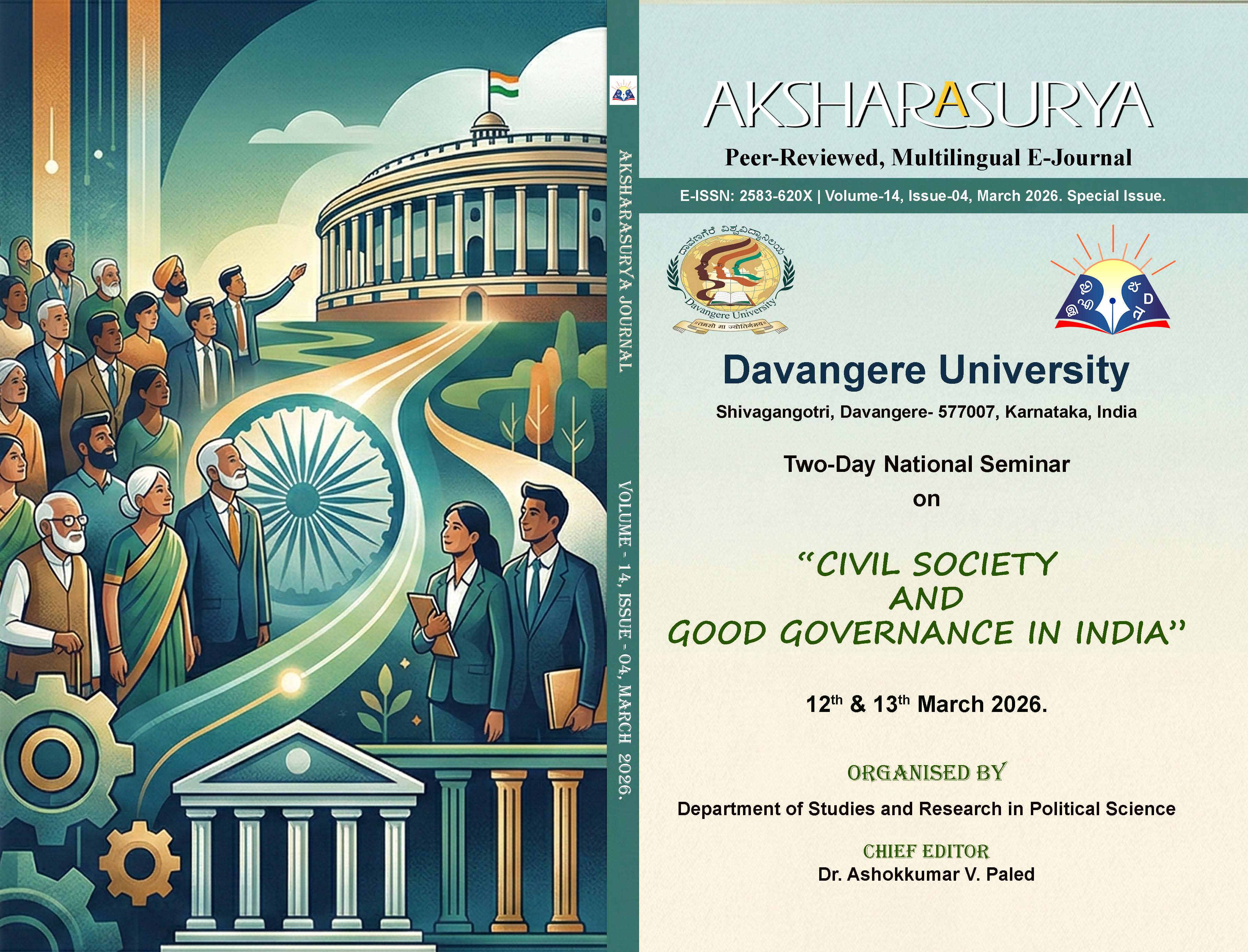
Main Article Content
Abstract
The rapid expansion of digital communication has significantly transformed electoral politics in India. In Karnataka, social media platforms such as Facebook, WhatsApp, Instagram, and X (Twitter) have emerged as powerful tools for political mobilization, opinion formation, and voter engagement. This paper examines the impact of social media campaigns on electoral behaviour in Karnataka, particularly in recent Assembly and Parliamentary elections. It analyzes how political parties utilize digital strategies, targeted messaging, and digital activism to influence voter perception, youth participation, and electoral outcomes. The study adopts a qualitative methodology supported by secondary data sources. The findings indicate that social media campaigns have reshaped campaign strategies, enhanced political awareness, but also contributed to misinformation and polarization. The findings reveal that social media has become a powerful tool for agenda-setting, political branding, and voter persuasion in Karnataka elections. However, issues of fake news, polarization, and digital divide remain critical challenges. The study concludes with policy recommendations and strategic solutions for strengthening democratic accountability in the digital age.
Article Details
Section

This work is licensed under a Creative Commons Attribution-NonCommercial-ShareAlike 4.0 International License.
How to Cite
References
Bennett, W. L., & Segerberg, A. (2013). The logic of connective action. Cambridge University Press.
Chadwick, A. (2017). The hybrid media system: Politics and power. Oxford University Press.
Election Commission of India. (2023). Handbook for media and social media guidelines.
Howard, P. N. (2020). Lie machines: How to save democracy from troll armies. Yale University Press.
Karnataka Chief Electoral Office. (2023). Statistical report on Assembly Elections.
Sunstein, C. R. (2018). #Republic: Divided democracy in the age of social media. Princeton University Press.