
Commerce as a driver of language standardization
Article Sidebar
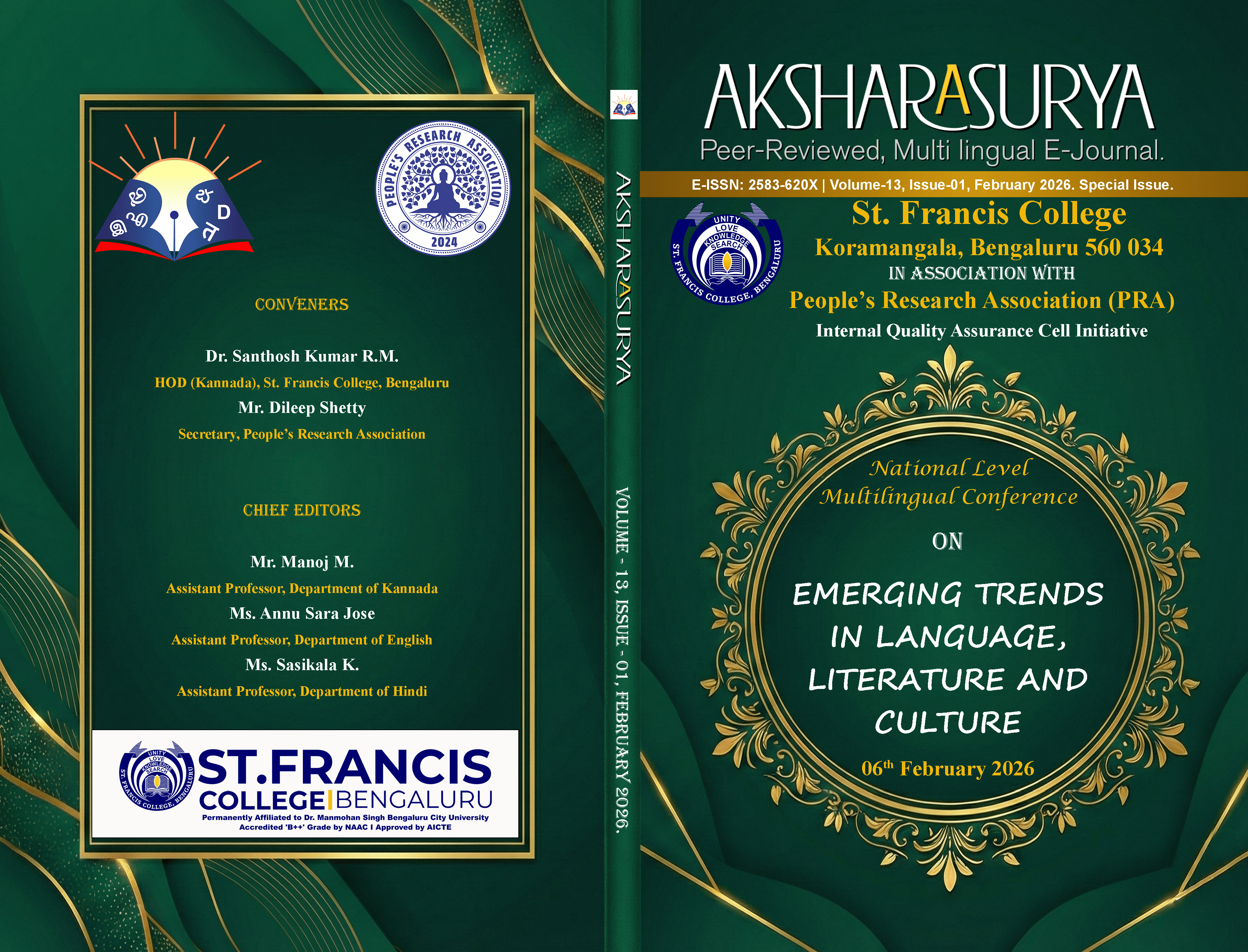
Main Article Content
Abstract
Language standardization-the process by which a specific form of a language becomes codified and widely accepted-does not happen in a vacuum. Various sociopolitical, educational, and cultural factors contribute to the development of standardized languages, with commerce playing a crucial yet often overlooked role. This paper investigates how commercial interactions foster linguistic uniformity, facilitating effective communication across different geographic and social contexts. By examining both historical and modern examples, we highlight the ways in which market dynamics drive linguistic convergence, including the influence of trade networks, economic hubs, and the pressures of contemporary globalization.
Article Details
Section

This work is licensed under a Creative Commons Attribution-NonCommercial-ShareAlike 4.0 International License.
How to Cite
References
Haugen, E. (1966). Dialect, Language, Nation.
Romaine, S. (1994). Language in Society: An Introduction to Sociolinguistics.
Trudgill, P. (2000). Sociolinguistics: An Introduction to Language and Society.
Thomason, S. G., & Kaufman, T. (1988). Language Contact, Creolization, and Genetic Linguistics.