
Adaptive Leadership in the Age of Artificial Intelligence: Language, Communication, and Cultural Transformation
Article Sidebar
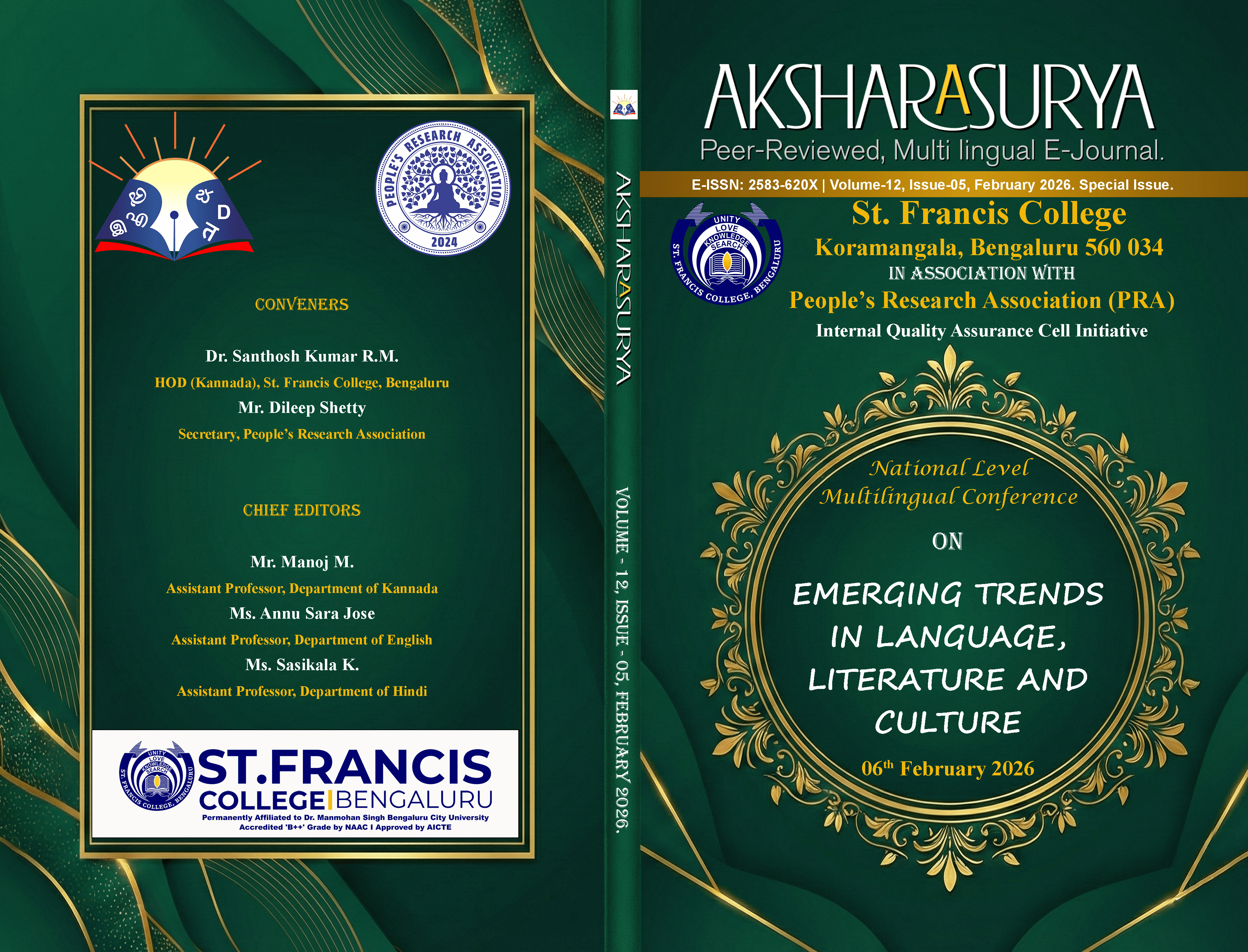
Main Article Content
Abstract
The rapid integration of Artificial Intelligence (AI) into organizational and social systems has reshaped leadership practices, particularly in relation to language use, communication processes, and cultural engagement. This paper examines the role of adaptive leadership in managing AI-mediated communication environments characterized by technological disruption, linguistic diversity, and evolving cultural norms. Adaptive leadership enables leaders to respond flexibly to change, balance technological efficiency with human values, and foster inclusive and ethical communication. Using a conceptual and interdisciplinary approach, the study explores how AI-driven language technologies influence leadership discourse, decision-making, and organizational culture. The paper highlights the challenges and opportunities presented by AI in leadership communication and emphasizes the importance of adaptability, cultural sensitivity, and ethical responsibility in the digital era.
Article Details
Section

This work is licensed under a Creative Commons Attribution-NonCommercial-ShareAlike 4.0 International License.
How to Cite
References
Avolio, B. J., Kahai, S. S., & Dodge, G. E. (2021). E-leadership: Implications for theory, research, and practice. The Leadership Quarterly, 32(1), 101–118. https://doi.org/10.1016/j.leaqua.2020.101387
Brown, M., & Green, T. (2022). Artificial intelligence and ethical leadership communication. Journal of Business Ethics, 179(3), 631–645. https://doi.org/10.1007/s10551-021-04892-4
Heifetz, R., Grashow, A., & Linsky, M. (2019). The practice of adaptive leadership: Tools and tactics for changing your organization and the world. Harvard Business Review Press.
Northouse, P. G. (2022). Leadership: Theory and practice (9th ed.). Sage Publications.
Sharma, R., & Malik, P. (2025). Adaptive leadership and employee well-being in post-pandemic organizations. Journal of Organizational Change Management, 38(2), 245–262. https://doi.org/10.1108/JOCM-03-2024-0098
Vrontis, D., Christofi, M., Pereira, V., Tarba, S., Makrides, A., & Trichina, E. (2022). Artificial intelligence, robotics, advanced technologies and human resource management: A systematic review. The International Journal of Human Resource Management, 33(6), 1237–1266. https://doi.org/10.1080/09585192.2020.1871398
Zhu, Y., Sun, L. Y., & Leung, A. S. M. (2023). Leadership and cultural transformation in the digital era. Human Resource Management Review, 33(1), 100876. https://doi.org/10.1016/j.hrmr.2022.100876