
Influence of Social Media on Literature
Article Sidebar
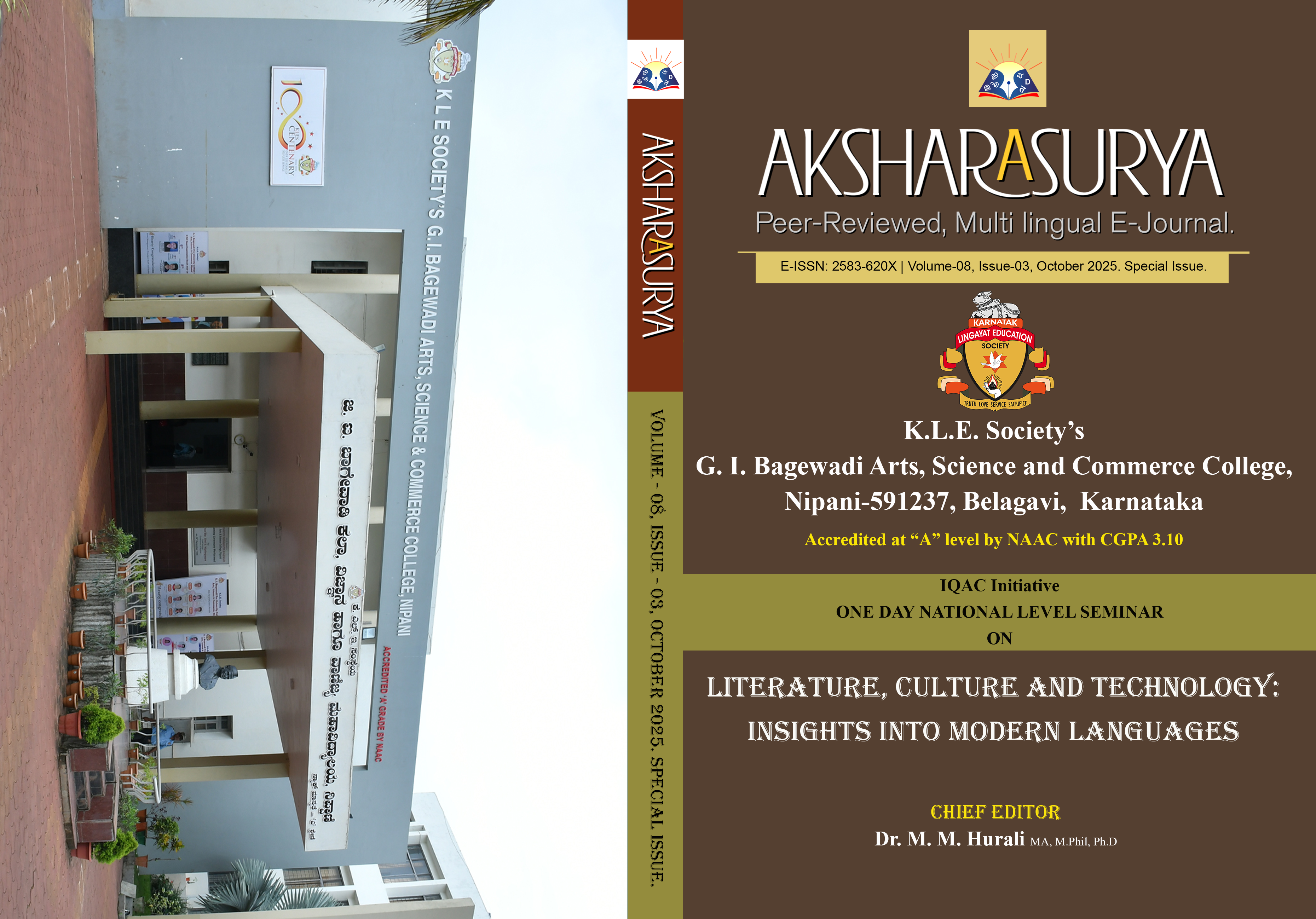
Main Article Content
Abstract
The rise of social media has reshaped literature by transforming how it is created, shared, and read. Platforms such as Facebook, Instagram, Twitter, and blogs have enabled writers to connect directly with audiences, through traditional publishing channels. This has democratized literary expression, allowing voices from diverse backgrounds to be heard and encouraging experimentation with form and content. Short-form writing, multimedia storytelling, and interactive narratives have gained popularity, expanding literary genres and styles. Social media communities foster collaboration, critique, and fanfiction, nurturing new creative ecosystems. However, the influence of algorithms, the pressure for instant visibility, and concerns around plagiarism creates challenges to the literary experience. Further viral popularity sometimes prioritizes entertainment over depth and critical engagement. Despite these drawbacks, social media has broadened access to literature, empowered marginalized voices, and enabled global conversations about identity, culture, and social justice. This article explores the various ways social media has impacted literary creation, distribution, and consumption. It examines both opportunities and threats, providing a understanding of how digital platforms are redefining literature in the 21st century, where authorship, readership, and interaction are constantly evolving in the age of connectivity.
Article Details
Section

This work is licensed under a Creative Commons Attribution-NonCommercial-ShareAlike 4.0 International License.
How to Cite
References
Boyd, d. (2014). It’s Complicated: The Social Lives of Networked Teens. Yale University Press.
Jenkins, H. (2006). Convergence Culture: Where Old and New Media Collide. NYU Press.
Kaur, R. (2014). Milk and Honey. Andrews McMeel Publishing.
Rheingold, H. (1993). The Virtual Community: Homesteading on the Electronic Frontier.