
Democratic Institutions And Decision Making
Article Sidebar
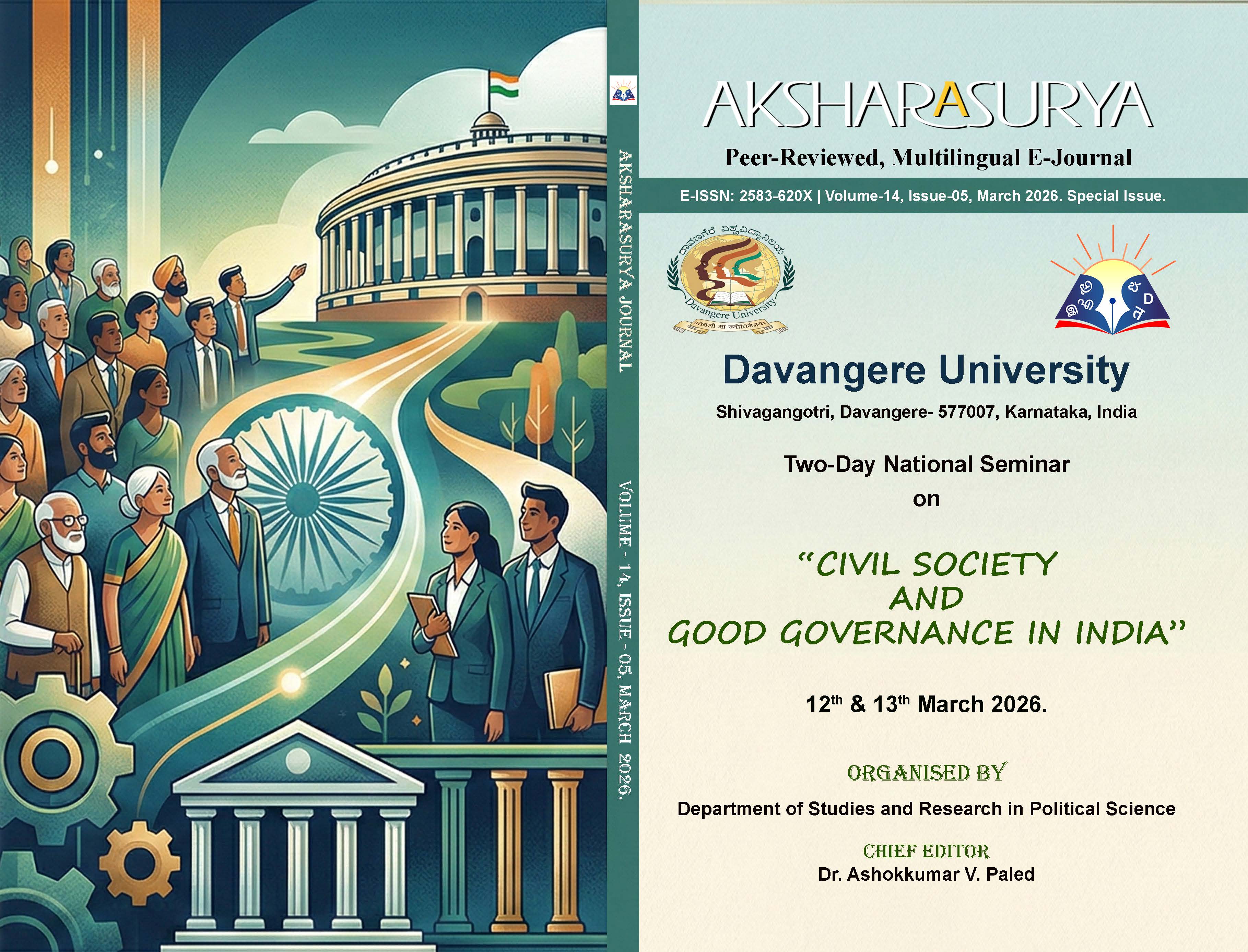
Main Article Content
Abstract
This research paper investigates the critical role of democratic institutions in shaping collective decision-making processes. By analyzing the structural dynamics of legislatures, executives, and judiciaries, the study explores how institutional design influences the delicate balance between administrative efficiency and political legitimacy. Using a comparative case study methodology, the inquiry evaluates how various frameworks—including representative, participatory, and deliberative models—facilitate or constrain the formulation of public policy. The analysis identifies a significant “trilemma” in modern governance, where the demand for inclusive participation often conflicts with the necessity for swift action in an increasingly polarized and globalized environment. Key findings suggest that while institutional “veto players” ensure stability and protect minority rights, they can also lead to systemic gridlock. The paper highlights the disruptive impact of technological advancements on traditional consensus-building mechanisms. The study concludes by proposing concrete policy recommendations, such as integrating digital deliberation tools and streamlining committee procedures to enhance institutional resilience.
Article Details
Section

This work is licensed under a Creative Commons Attribution-NonCommercial-ShareAlike 4.0 International License.
How to Cite
References
Dahl, R. A. (1989). Democracy and Its Critics. Yale University Press.
Diamond, Larry. “Democracy in Regression: Explaining the Post-Cold War Wave of Democratic Transitions.” Journal of Democracy, vol. 26, no. 1, 2015.
Habermas, J. (1996). Between Facts and Norms: Contributions to a Discourse Theory of Law and Democracy. MIT Press.
Hall, P. A., & Taylor, R. C. (1996). “Political Science and the Three Institutionalisms.” Political Studies.
Huntington, Samuel P. The Third Wave: Democratization in the Late Twentieth Century. University of Oklahoma Press, 1991.
Lijphart, A. (2012). Patterns of Democracy: Government Forms and Performance in Thirty-Six Countries. Yale University Press.
March, James G., and Johan P. Olsen. “The New Institutionalism: Organizational Factors in Political Life.” The American Political Science Review, vol. 78, no. 3, 1984.
Norris, P. (2011). Democratic Deficit: Critical Citizens Revisited. Cambridge University Press.
North, Douglass C. Institutions, Institutional Change and Economic Performance. Cambridge University Press, 1990.
Przeworski, Adam. Democracy and the Market: Political and Economic Reforms in Eastern Europe and Latin America. Cambridge University Press, 1991.
Putnam, Robert D. Bowling Alone: The Collapse and Revival of American Community. Simon & Schuster, 2000.
Sen, Amartya. “Democracy as a Universal Value.” Journal of Democracy, vol. 10, no. 3, 1999.
Tsebelis, George. Veto Players: How Political Institutions Work. Princeton University Press, 2002.