
Governing with Artificial Intelligence in Public Policy and Decision Making
Article Sidebar
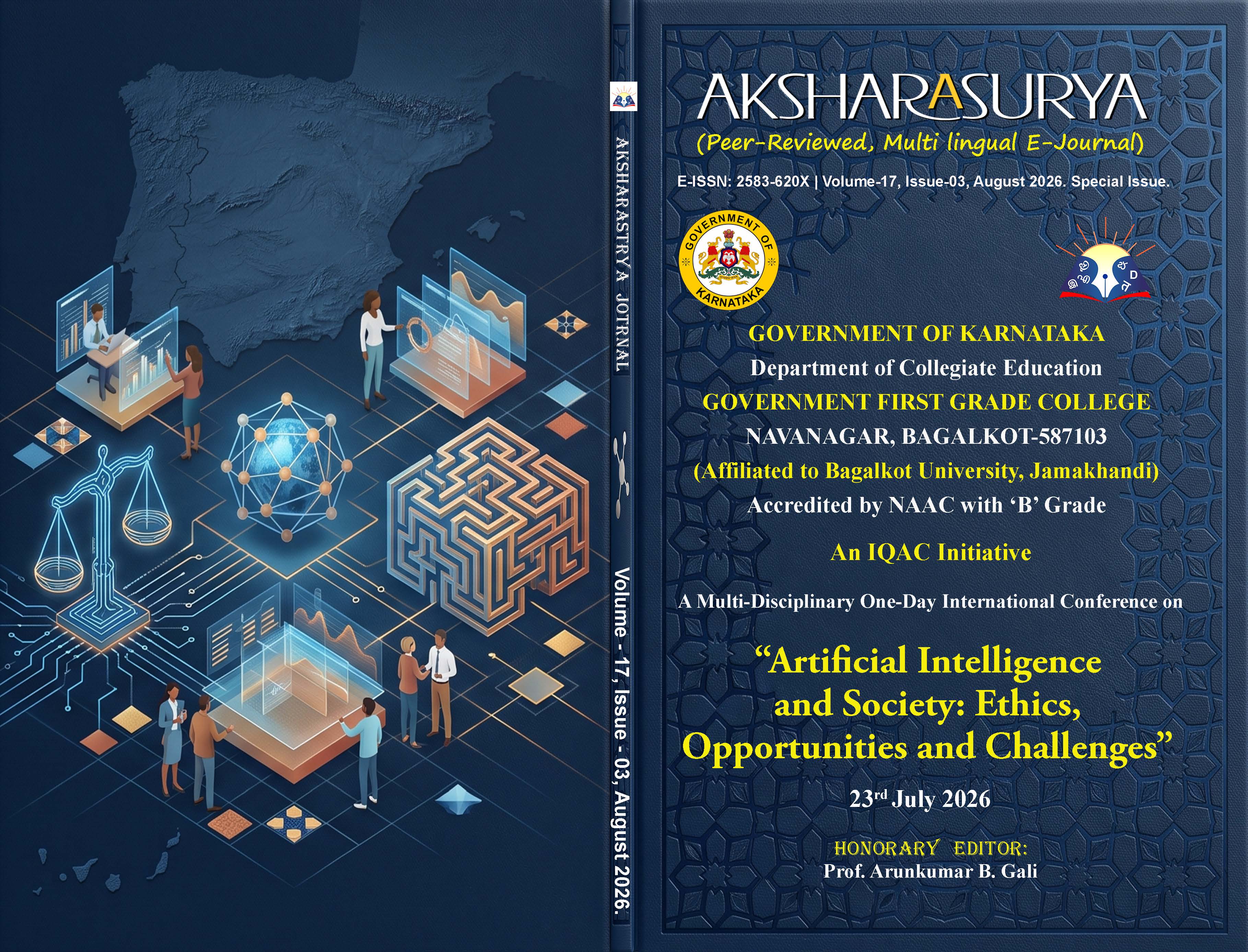
Main Article Content
Abstract
The public policy evaluation provides crucial evidence to help policymakers understand what works, for whom and under what circumstances these methods typically involve combining results from different studies that investigate the same topic to have a comprehensive understanding of the subject.
In the field of evidence synthesis has the potential to change the approach to policymaking from a policy cycle and allow evaluations to feed into decision-making at multiple stages. Artificial intelligence is transforming public policy from reactive to predictive, enhancing decision-making through data-driven insights, increased efficiency, and improved service delivery.
Public policy by enabling more data-driven, predictive, and responsive governance, while at the same time producing profound changes in knowledge production and education in the social and policy sciences this element delves deeply into the intricate relationship between artificial intelligence and the policy process, unraveling how this technology is reshaping the formulation, implementation, and advice of public policies, as well as influencing the structures and actors involved.
The public policy was systematic commitment based on practice knowledge that guided the actions of policymakers. The rapid advancement of artificial intelligence and data science is reshaping the landscape of public policy and policymaking has long combined historical data, statistical methods, expert intuition, and qualitative insights. However, with the increasing availability of vast datasets and more sophisticated artificial intelligence tools, public policy now has an even greater capacity to be data-driven, predictive, and responsive.
These advancements come with ethical and epistemological challenges surrounding issues of bias, transparency, privacy, and accountability. This special issue explores the opportunities and risks of integrating artificial intelligence into public policy, offering theoretical frameworks and empirical analyses to help policymakers navigate these complexities.
Article Details
Issue
Section

This work is licensed under a Creative Commons Attribution-NonCommercial-ShareAlike 4.0 International License.
How to Cite
References
Gusenbauer M. Audit AI search tools now, before they skew research. Nature. 2023; 617(7961):439–439. DOI
Agrawal A, Gans JS, Goldfarb A. Exploring the impact of artificial intelligence: prediction versus judgment. SSRN Electronic Journal; 2018. DOI
Althaus, M. (2013). Reflections on advisory practice in politics. PSCA-Political Science Applied, 2, 5–15.
Amoore, L. (2022). Machine learning political orders. Review of International Studies, 49(1), 20–36.