
ಡಿಜಿಟಲ್ ಯುಗದಲ್ಲಿ ದಲಿತ ಸಮುದಾಯಗಳ ಭವಿಷ್ಯ: ಕೃತಕ ಬುದ್ಧಿಮತ್ತೆಯ ಸನ್ನಿವೇಶದಲ್ಲಿ ಅಂಬೇಡ್ಕರ್ ಅವರ ಸಾಮಾಜಿಕ ನ್ಯಾಯದ ದೃಷ್ಟಿಕೋನದ ಮರುಪರಿಶೀಲನೆ
Article Sidebar
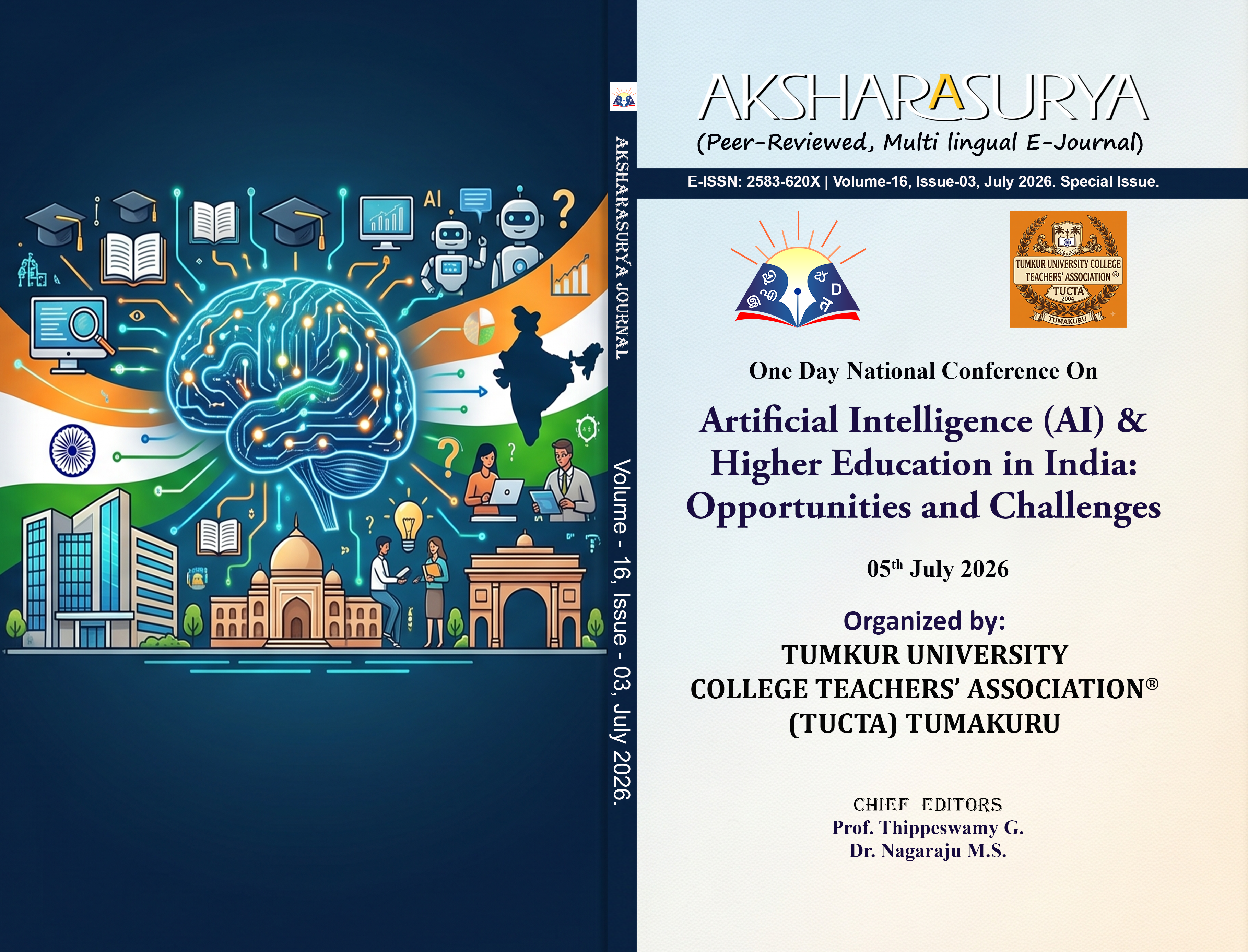
Main Article Content
Abstract
ಆಧುನಿಕ ಜಗತ್ತಿನಲ್ಲಿ ತಂತ್ರಜ್ಞಾನವು ಅಭೂತಪೂರ್ವ ವೇಗದಲ್ಲಿ ಬೆಳೆಯುತ್ತಿದ್ದು, ಕೃತಕ ಬುದ್ಧಿಮತ್ತೆಯು ಮಾನವನ ಬದುಕಿನ ಪ್ರತಿಯೊಂದು ಆಯಾಮವನ್ನು ಪ್ರವೇಶಿಸಿದೆ. ಈ ಹೊಸ ಡಿಜಿಟಲ್ ಯುಗದಲ್ಲಿ ಸಾಮಾಜಿಕ ನ್ಯಾಯ, ಸಮಾನತೆ ಮತ್ತು ಹಕ್ಕುಗಳ ಪರಿಕಲ್ಪನೆಗಳು ವಿಶಿಷ್ಟವಾದ ಸವಾಲುಗಳನ್ನು ಎದುರಿಸುತ್ತಿವೆ. ಭಾರತದಂತಹ ವೈವಿಧ್ಯಮಯ ಹಾಗೂ ಶ್ರೇಣೀಕೃತ ಸಮಾಜದಲ್ಲಿ, ಶತಮಾನಗಳಿಂದ ಬೇರೂರಿರುವ ಜಾತಿ ಪದ್ಧತಿಯು ತಂತ್ರಜ್ಞಾನದ ಮಾಧ್ಯಮದ ಮೂಲಕ ಹೊಸ ರೂಪಗಳನ್ನು ಪಡೆದುಕೊಳ್ಳುತ್ತಿರುವ ಈ ಬದಲಾದ ಸನ್ನಿವೇಶದಲ್ಲಿ ಡಾ. ಬಿ. ಆರ್. ಅಂಬೇಡ್ಕರ್ ಅವರ ಸಾಮಾಜಿಕ ನ್ಯಾಯದ ದೃಷ್ಟಿಕೋನವನ್ನು ಮರುಪರಿಶೀಲಿಸುವುದು ಅತ್ಯಂತ ಅವಶ್ಯಕವಾಗಿದೆ. ಕೃತಕ ಬುದ್ಧಿಮತ್ತೆ ಮತ್ತು ಗಣಕಯಂತ್ರದ ಅಲ್ಗಾರಿದಮ್ಗಳು ಕೇವಲ ತಟಸ್ಥ ಸಾಧನಗಳಲ್ಲ, ಬದಲಾಗಿ ಅವುಗಳನ್ನು ಸೃಷ್ಟಿಸುವ ಸಮಾಜದ ಮೌಲ್ಯಗಳು, ಪೂರ್ವಾಗ್ರಹಗಳು ಮತ್ತು ತಾರತಮ್ಯಗಳನ್ನು ಅಳವಡಿಸಿಕೊಂಡಿರುತ್ತವೆ. ಐತಿಹಾಸಿಕವಾಗಿ ಅಂಚಿಗೆ ತಳ್ಳಲ್ಪಟ್ಟ ದಲಿತ ಸಮುದಾಯಗಳು ಡಿಜಿಟಲ್ ಪ್ರಾತಿನಿಧ್ಯ, ದತ್ತಾಂಶ ಹಕ್ಕುಗಳು ಮತ್ತು ತಾಂತ್ರಿಕ ಉದ್ಯೋಗಾವಕಾಶಗಳಲ್ಲಿ ತೀವ್ರವಾದ ಅಸಮಾನತೆಯನ್ನು ಎದುರಿಸುತ್ತಿವೆ. ಈ ಸಂಶೋಧನಾ ಲೇಖನವು ಡಿಜಿಟಲ್ ವಿಭಜನೆಯು ಕೇವಲ ಅಂತರ್ಜಾಲದ ಲಭ್ಯತೆಗೆ ಸೀಮಿತವಾಗಿರದೆ, ಅದು ಜ್ಞಾನದ ಸೃಷ್ಟಿ, ದತ್ತಾಂಶದ ಒಡೆತನ ಮತ್ತು ಕೃತಕ ಬುದ್ಧಿಮತ್ತೆಯ ತೀರ್ಮಾನ ತೆಗೆದುಕೊಳ್ಳುವ ಪ್ರಕ್ರಿಯೆಗಳಲ್ಲಿ ಹೇಗೆ ಜಾತೀಯತೆಯನ್ನು ಮರುಸೃಷ್ಟಿಸುತ್ತಿದೆ ಎಂಬುದನ್ನು ವಿಶ್ಲೇಷಿಸುತ್ತದೆ. ಅಂಬೇಡ್ಕರ್ ಅವರ ಸಮಾನತೆ, ಸ್ವಾತಂತ್ರ್ಯ ಮತ್ತು ಭ್ರಾತೃತ್ವದ ತತ್ವಗಳನ್ನು ಆಧರಿಸಿ, ಡಿಜಿಟಲ್ ಜಗತ್ತಿನಲ್ಲಿ ದಲಿತರ ಸಬಲೀಕರಣಕ್ಕಾಗಿ ಹೊಸ ತಾತ್ವಿಕ ಚೌಕಟ್ಟನ್ನು ಈ ಲೇಖನ ಪ್ರಸ್ತುತಪಡಿಸುತ್ತದೆ. ಶಿಕ್ಷಣ, ಸಂಘಟನೆ ಮತ್ತು ಹೋರಾಟ ಎಂಬ ಅಂಬೇಡ್ಕರ್ ಅವರ ಮೂಲಮಂತ್ರವನ್ನು ಡಿಜಿಟಲ್ ಸಾಕ್ಷರತೆ, ತಾಂತ್ರಿಕ ಪ್ರಾತಿನಿಧ್ಯ ಮತ್ತು ದತ್ತಾಂಶ ನ್ಯಾಯದ ಮೂಲಕ ಹೇಗೆ ಅಳವಡಿಸಿಕೊಳ್ಳಬಹುದು ಎಂಬುದನ್ನು ಈ ಅಧ್ಯಯನವು ವಿಸ್ತೃತವಾಗಿ ಚರ್ಚಿಸುತ್ತದೆ. ಅಂತಿಮವಾಗಿ, ತಂತ್ರಜ್ಞಾನವು ದಬ್ಬಾಳಿಕೆಯ ಸಾಧನವಾಗುವ ಬದಲು, ಸಾಮಾಜಿಕ ವಿಮೋಚನೆಯ ಪ್ರಬಲ ಅಸ್ತ್ರವಾಗಿ ಹೇಗೆ ಮಾರ್ಪಾಡಾಗಬೇಕು ಎಂಬುದರ ಕುರಿತು ಈ ಲೇಖನವು ಭವಿಷ್ಯದ ಮಾರ್ಗಸೂಚಿಯನ್ನು ಒದಗಿಸುತ್ತದೆ.
Article Details
Section

This work is licensed under a Creative Commons Attribution-NonCommercial-ShareAlike 4.0 International License.
How to Cite
References
Ambedkar, B. R. (2014). Annihilation of caste: The annotated critical edition. Verso Books.
Benjamin, R. (2019). Race after technology: Abolitionist tools for the new Jim code. Polity.
Eubanks, V. (2018). Automating inequality: How high-tech tools profile, police, and punish the poor. St. Martin’s Press.
Guru, G. (2009). Humiliation: Claims and context. Oxford University Press.
Narayan, B. (2021). Digital empowerment and Dalit futures in India. Journal of Digital Inclusion, 14(2), 45-63.
Noble, S. U. (2018). Algorithms of oppression: How search engines reinforce racism. NYU Press.
O’Neil, C. (2016). Weapons of math destruction: How big data increases inequality and threatens democracy. Crown.
Pal, J., & Doshi, S. (2020). Caste and the digital divide in India: A structural approach. Information, Communication & Society, 23(1), 89-106.
Prasad, R. (2023). Algorithmic bias and the re-creation of untouchability in the digital age. South Asian Technology Review, 7(4), 210-228.
Rao, A. (2021). Data colonialism and caste: The political economy of algorithms in India. Asian Journal of Media Studies, 5(2), 112-130.
Rege, S. (2013). Against the madness of Manu: B.R. Ambedkar’s writings on Brahmanical patriarchy. Navayana.
Teltumbde, A. (2018). Republic of caste: Thinking equality in the time of neoliberal Hindutva. Navayana.
Wankhede, H. S. (2022). The politics of representation in artificial intelligence: A Dalit perspective. International Journal of Tech Policy, 19(3), 305-322.
Yengde, S. (2019). Caste matters. Penguin Random House India.
Zelliot, E. (1992). From untouchable to Dalit: Essays on the Ambedkar movement. Manohar Publications.