
Migration Patterns Due to Military and Industrial Growth
Article Sidebar
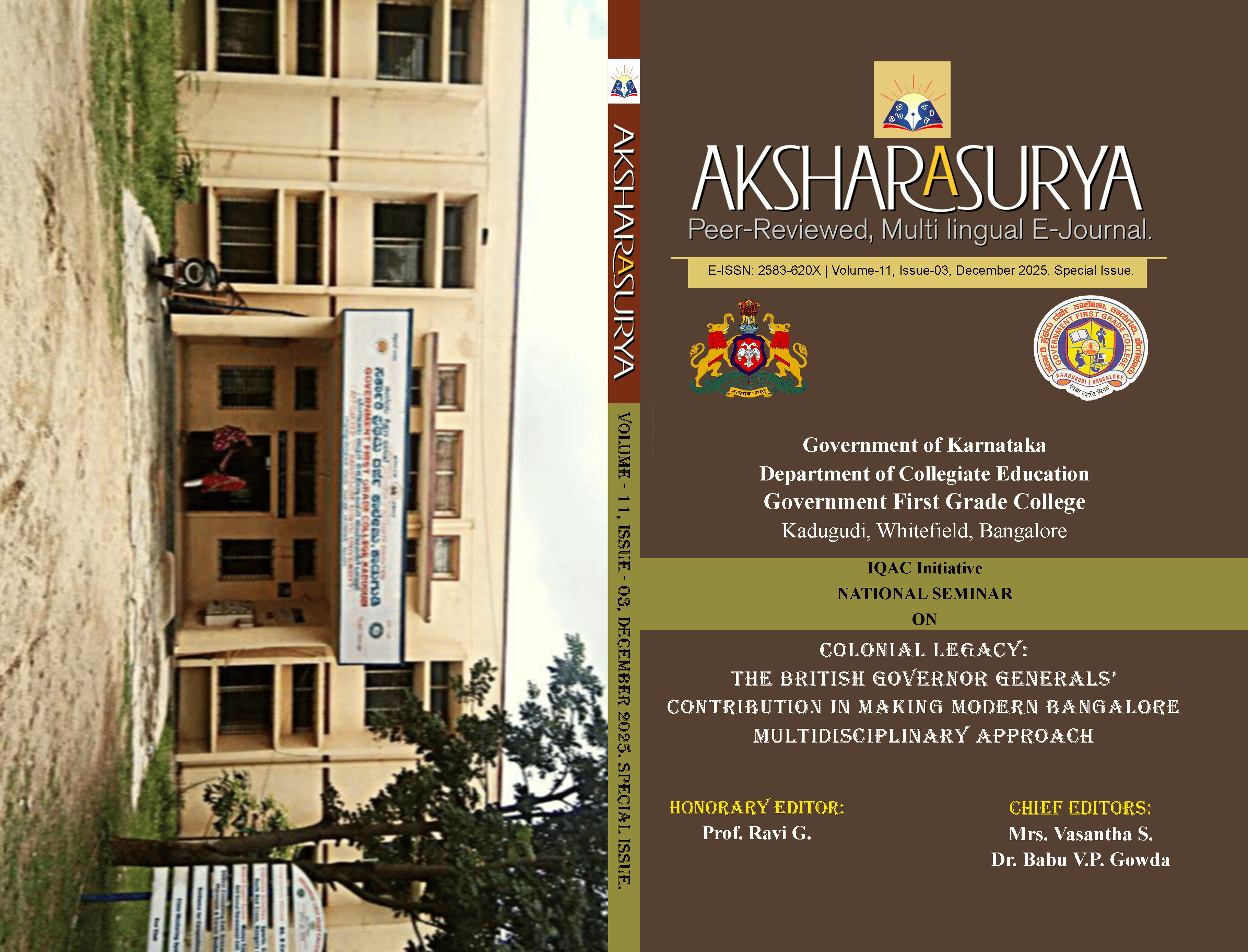
Main Article Content
Abstract
Migration patterns have historically been shaped by the dynamic interplay between military expansion and industrial growth. Military development often triggers both forced and voluntary migrations through displacement, conscription, and the establishment of strategic settlements near bases or conflict zones. Wars and defence-related activities disrupt local populations, leading to refugee movements, urban overcrowding, and demographic shifts in border or resource-rich regions. Simultaneously, industrialization-frequently stimulated by military demands-acts as a powerful magnet for labor migration. The rise of factories, mining operations, and armament industries creates employment hubs that attract rural workers and international migrants seeking economic opportunity. This dual process of displacement and attraction fosters rapid urbanization, transforms social hierarchies, and reshapes regional economies.
During the 19th and 20th centuries, for instance, the Industrial Revolution in Europe and North America, coupled with global conflicts such as the World Wars, generated massive internal and transnational migrations. Wartime production required vast labor forces, pulling workers from colonies and rural hinterlands into industrial centers. Post-war reconstruction and the expansion of military-industrial complexes further sustained these migration flows. In the contemporary era, similar patterns persist, with military investments and industrial zones in developing regions prompting both internal migration and international labor mobility.
Ultimately, the intersection of military and industrial growth acts as a catalyst for profound demographic change. While such movements often stimulate economic development and technological innovation, they also create social challenges, including overcrowding, cultural assimilation pressures, and inequality. Understanding these intertwined migration patterns is crucial for policymakers aiming to balance national security, economic progress, and human welfare in an increasingly interconnected world.
Article Details
Section

This work is licensed under a Creative Commons Attribution-NonCommercial-ShareAlike 4.0 International License.